
Sinus Headache Relief: 5 Safe Ways to Ease Pressure

That heavy pressure behind your eyes. The sore ache across your cheeks. The sense that your head is “full,” and you can’t focus on anything else. If you’re in Hong Kong and these symptoms keep returning, it helps to get a clear assessment instead of cycling through temporary fixes.
This guide will walk you through what’s usually going on, five at-home ways to ease sinus pressure and headache pain, and how to tell when recurring symptoms may be linked to deeper structural or nervous system factors—so you can choose next steps with confidence.
Important Note: This article is for general information and is not a substitute for medical advice. If symptoms are severe, worsening, or unusual for you, seek medical guidance.
What Sinus Headache Relief Really Means
If you’ve tried steam, pain relief, and “sinus meds” with only short-lived results, the missing piece is often clarity—what kind of headache this is, and what’s driving the pressure.
Sinus Headache Relief Starts With Identifying True Sinus Pressure
A true sinus-related headache tends to come with nasal congestion and facial pressure, often felt around the forehead, cheeks, nose, or behind the eyes. This usually happens when the lining of the sinuses becomes inflamed, commonly from a cold, allergies, or irritants, and drainage becomes harder.
A helpful mindset here is: relief works best when it matches the cause. If the pressure is from inflammation and congestion, strategies that support moisture, drainage, and reduced swelling are more likely to help.
Sinus Vs Migraine: Quick Clues Before You Treat The Wrong Problem
Here’s the twist many people don’t expect: “sinus headache” symptoms often overlap with migraine. Mayo Clinic notes that sinus headaches are usually associated with migraines or other headache types.
Mayo Clinic Health System also highlights research showing that 90% of people with “sinus headache” symptoms are actually experiencing migraine headaches. A Mayo Clinic Proceedings paper also discusses how many “sinus headache” cases meet migraine criteria.
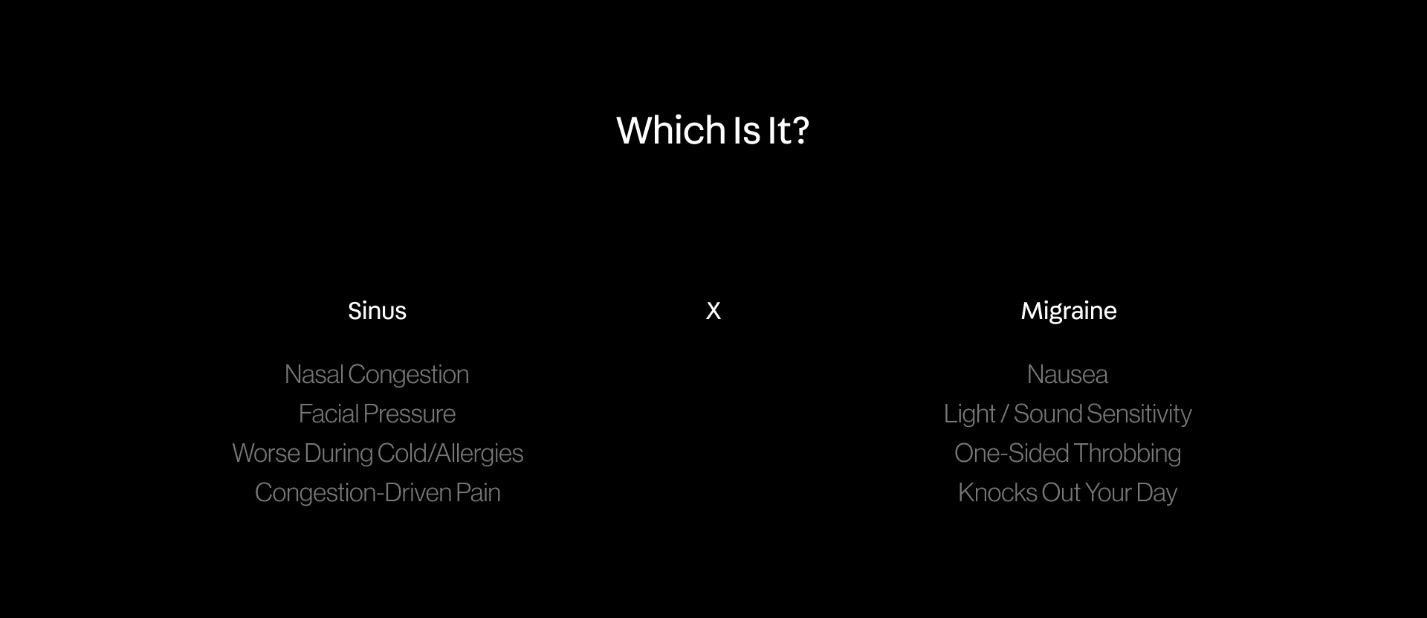
Quick Clue Check (Not A Diagnosis):
- If you often get nausea, light/sound sensitivity, or one-sided throbbing that knocks out your day, migraine becomes more likely.
- If you have clear nasal symptoms plus facial pressure during a cold/allergy flare, sinus involvement becomes more likely.
Safety First: Red Flags And Timeframes That Need Medical Review
Most sinus-related discomfort improves with time and basic care, but don’t push through if symptoms are severe, worsening, or persistent.
Cleveland Clinic notes that most sinus infections and sinus headaches clear up within a week to 10 days, and if they don’t, it’s time to contact a healthcare provider.
Also consider medical review sooner if you have symptoms that feel unusual or concerning, such as:
- Swelling or redness around the eye
- Vision changes
- A sudden, severe headache that feels unlike your usual pattern
- Confusion or new neurologic symptoms
What is the best at-home treatment for a sinus headache?
The goal at home isn’t to “power through.” It’s to reduce congestion, support drainage, and calm the system, so pressure can ease instead of building.
Below are five options that are commonly recommended across reputable health sources.
If you’re trying to work or sleep through pressure, start with the simplest combination first: warmth + elevation, then add humidity and hydration.
If you’re not sure where to start: facial pressure often responds well to warmth + elevation, while dryness and irritation often respond well to humidity + hydration.
Steam + Humidity: Sinus Headache Relief You Can Use In 10 Minutes
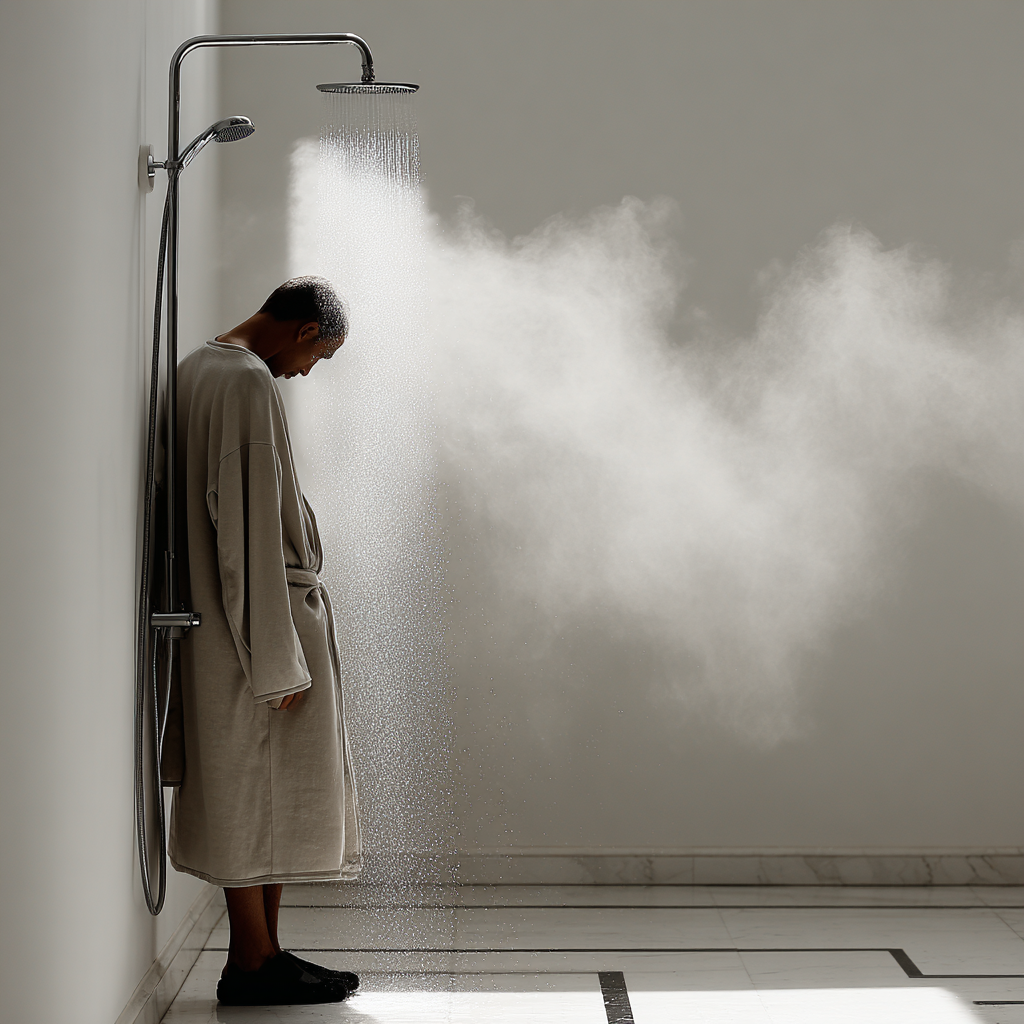
Steam can help moisten the nasal passages and make congestion feel less “stuck.” Harvard Health recommends inhaling steam and even notes that steam from hot tea or soup can help; it suggests aiming for steam sessions several times a day.
What To Do
- Take a warm shower, sit in a steamy bathroom, or use a humidifier in your room.
How Long / How Often
- Start with 5–10 minutes, then reassess. Repeat as needed.
Why It Helps
- Warm, moist air can ease congestion and dryness, which may reduce pressure.
Common Mistakes
- Too hot, too long, or too close to boiling water.
Use Caution
- If you have asthma or steam irritates your breathing, keep it gentle and stop if symptoms worsen.
Warm Compress Placement That Reduces Facial Pressure
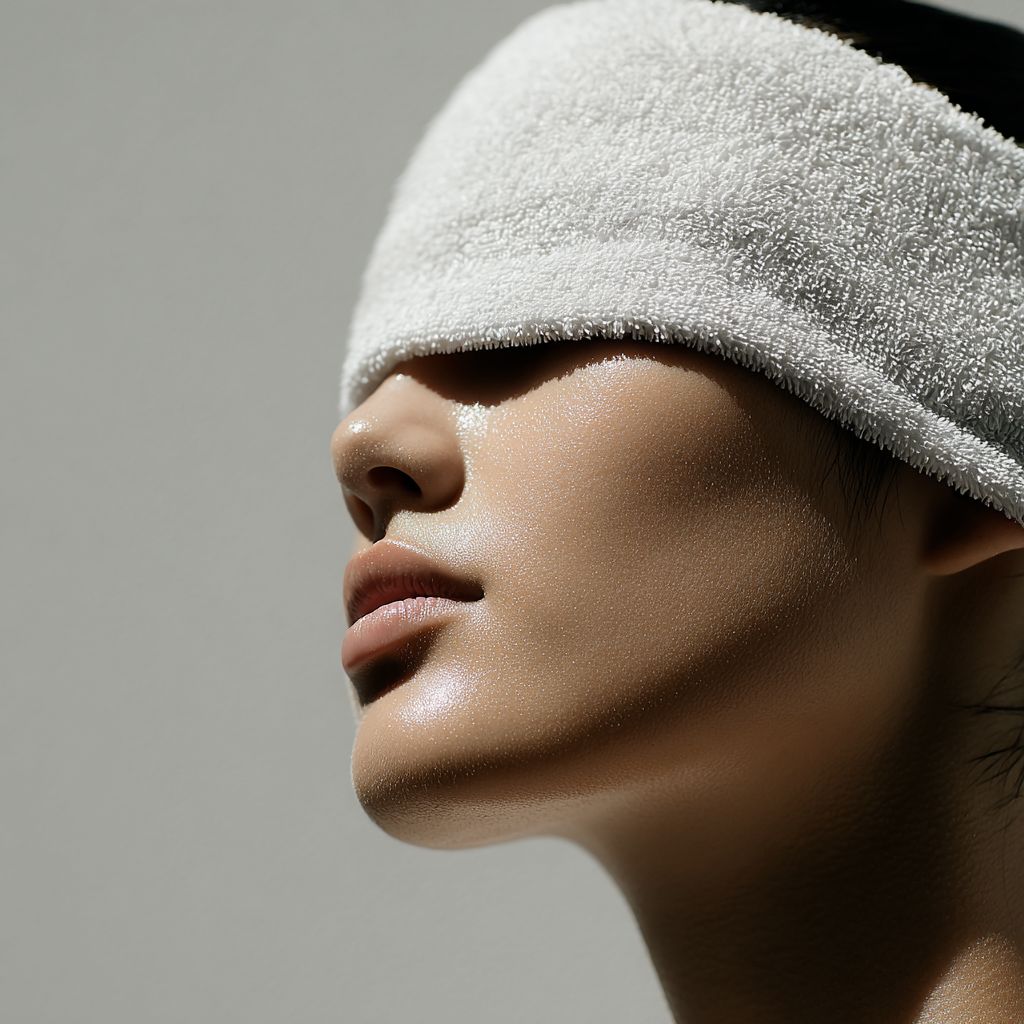
A warm compress can soothe facial discomfort and help you feel less “locked up” around the sinuses. Harvard Health includes warm compresses as a practical sinus headache relief.
What To Do
- Use a warm (not scalding) washcloth.
Where To Place It
- Across the forehead and/or over the cheeks, where you feel the pressure most.
How Long / How Often
- 10–15 minutes, up to a few times a day.
Why It Helps
- Warmth can reduce that tight, pressurised sensation and promote comfort while congestion settles.
Saline Rinse And Nasal Moisture Support
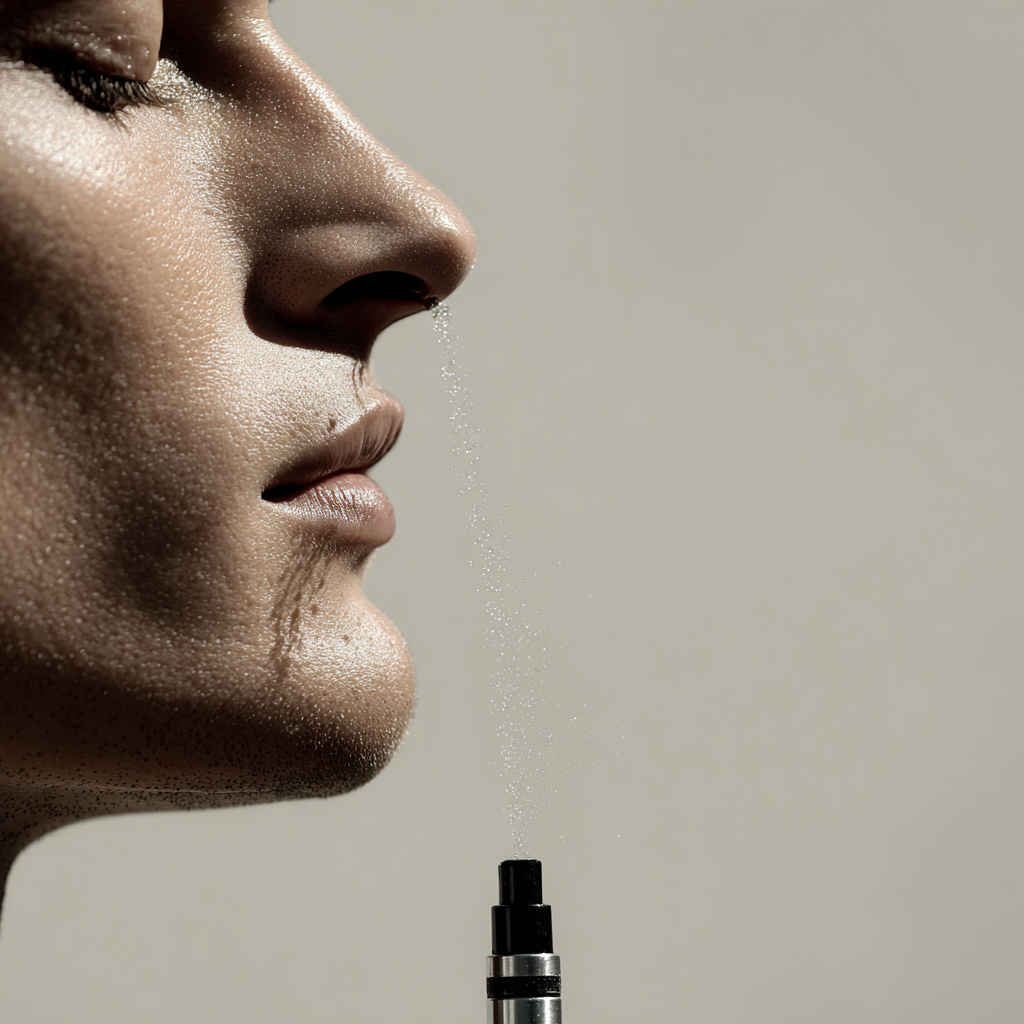
Saline can help thin mucus and flush irritants. Harvard Health notes that a neti pot or other sinus rinsing system may provide relief—and it emphasizes using distilled, purified, or previously boiled (then cooled) water.
What To Do
- Start with a saline spray if you want the simplest option.
- If you use irrigation, follow hygiene rules carefully.
Water Safety Matters
- For irrigation, use distilled or sterile water, or water that has been boiled and cooled. Do not use straight tap water.
Why It Helps (With Research)
A randomized controlled trial comparing saline irrigation vs saline spray for chronic sinonasal symptoms found improved symptom scores in the irrigation group, and at 8 weeks, 40% of the irrigation group reported symptoms “often or always,” compared with 61% in the spray group.
Common Mistakes
- Using non-sterile water for irrigation.
- Overdoing pressure or frequency when the nose is already irritated.
Hydration (Plus Warm Fluids) To Thin And Move Mucus
Hydration won’t “cure” anything instantly, but it can support mucus staying thinner and easier to clear. Harvard Health recommends drinking plenty of water to keep mucus thin and loose.
What To Do
- Sip water steadily throughout the day.
- Warm fluids (tea, broth) can feel soothing if you’re congested.
Common Mistakes
- Waiting until you feel thirsty (especially if mouth breathing has dried you out).
- Assuming one big glass fixes dehydration.
Head Elevation + Rest To Reduce Pressure Build-Up
If pressure worsens when you lie flat, try keeping your head slightly elevated. Houston Methodist explains that positions that increase blood flow/pressure sensations in the head can worsen sinus pain, and recommends keeping the head elevated as a practical strategy.
What To Do
- Rest with your head elevated or sleep with an extra pillow if comfortable.
Why It Helps
- Elevation can support drainage and reduce that “throbbing pressure” feeling.
A Quick “What To Avoid” Checklist
These don’t apply to everyone, but they’re common pitfalls that can slow recovery or keep symptoms looping:
- Overusing nasal decongestant sprays can backfire if overused: Follow label directions and speak with a clinician if you’re relying on them.
- Treating every “sinus headache” as an infection: Mayo Clinic notes most headaches people call sinus headaches aren’t caused by sinus infections and generally shouldn’t be treated with antibiotics.
- Combining multiple OTC products without checking overlapping ingredients: Follow labels carefully and seek guidance if you’re unsure.
If these steps help, but the pressure returns quickly or keeps repeating, here are common reasons the cycle can continue.
Why Sinus Headache Relief Sometimes Doesn’t Last
If your relief is temporary, it’s not a personal failing. It usually means you’re easing symptoms—but the conditions that recreate the pressure are still there.
Posture and Neck Tension Can Amplify “Sinus Headache” Symptoms
When the head and neck are under constant load (think forward-head posture at a laptop, jaw tension, and shoulders creeping up), it can amplify facial and head discomfort. Even if congestion is part of the picture, neck/jaw tension can make head and face discomfort feel stronger and more persistent.

What This Can Look Like In Real Life
- Pressure spikes after long screen days.
- One-sided “sinus pressure” shows up with the same-side neck tightness.
- You wake up feeling stiff in the upper neck and shoulders, then the headache builds.
This is where ATLAS’s approach matters: we don’t treat symptoms in isolation—we look at the system they’re happening in.
Breathing Mechanics: Nasal Airflow, Mouth Breathing, And Pressure Cycles
When congestion pushes you into mouth breathing, the nose can become drier and more irritated, and sleep quality can take a hit. Over time, that can feed a loop: less nasal breathing → poorer rest → higher sensitivity to discomfort → more noticeable headaches.
Even small shifts—supporting gentle nasal airflow when possible, and not forcing breath—can help reduce the “pressure cycle.”
Stress Load And Sleep Disruption: Why Symptoms Flare And Linger
Stress doesn’t “cause” every headache, but it can increase tension and pain sensitivity, disrupt sleep, and slow recovery. Many clients notice that sinus symptoms feel worse when they’re run down, sleeping poorly, or pushing through a busy week.
The long-term win is not a heroic effort. It’s reducing the load your system is carrying.
When To Look Deeper Than Temporary Sinus Headache Relief
If sinus headaches are becoming predictable—same pattern, same trigger window, same “I’m back here again” feeling—it’s a sign to look for clearer answers.
The Recurring-Pattern Checklist: When It’s Time To Assess, Not Guess
Consider getting a deeper look when:
- Episodes are frequent (or becoming your “normal”)
- Relief is short-lived or inconsistent.
- Headaches disrupt sleep, focus, energy, or daily function.
- You feel stuck in a loop of sprays, steam, and pain relief without real resolution.
If your sinus symptoms return four or more times in a year, that pattern is often described as recurrent acute sinusitis in clinical definitions.
Structural Contributors: What To Evaluate When Relief Keeps Fading
Sometimes the problem isn’t just “more congestion.” It’s that your structure and habits make it easier for pressure, tension, and irritation to keep returning—especially through the neck, upper back, and breathing mechanics.
This isn’t about blaming posture for everything. It’s about acknowledging that the way your head and neck carry load can influence how you feel day to day.
How can I relieve sinus pressure fast?
Fast relief usually comes from helping your sinuses drain and calming inflammation. Steam from a warm shower or a steamy bathroom can help loosen mucus and reduce that packed feeling in your face. A warm compress over the nose and cheeks can also ease pressure and tenderness.
Saline nasal spray or a saline rinse can help quickly by flushing irritants and thinning mucus so it drains instead of sitting in the sinus cavities. Staying hydrated supports the same goal. If you lie down, keep your head slightly elevated because flat positions can make pressure feel worse.
If you use a decongestant, keep it short term. Avoid decongestant nasal sprays for more than a few days in a row because rebound congestion can make symptoms worse.
How can I tell if it’s a sinus headache or a migraine?
A sinus headache is more likely when the pain comes with clear sinus symptoms such as congestion, thick nasal discharge, facial pressure, postnasal drip, and recent cold or allergy symptoms. The discomfort often feels like pressure in the cheeks or forehead and may worsen when you bend forward because pressure changes irritate inflamed sinus cavities.
A migraine is more likely when you have moderate to severe pain plus nausea, light sensitivity, sound sensitivity, or a need to lie down. Migraines can also cause watery eyes and stuffiness, which is why many people assume it is sinus pain. If these headaches keep recurring but you rarely have thick drainage or obvious congestion, migraine becomes more likely.
Why does my head hurt when I bend over?
Bending forward can increase pressure sensations in the head and can make inflamed areas hurt more. If your sinuses are swollen or blocked, that position change can make pressure feel sharper behind the eyes, across the forehead, or in the cheeks.
If bending over triggers pain but you do not have congestion or sinus symptoms, it can also happen with migraine or other headache types. In that case, sinus pressure may be the sensation, but it may not be the cause.
Headache behind the eyes that won’t go away. What could it mean?
Pain behind the eyes can come from sinus inflammation, especially if it is paired with congestion, postnasal drip, facial pressure, or a recent upper respiratory infection. Migraine can also cause deep, persistent pain behind the eyes, and it is a common reason people think they have sinus headaches when they do not.
Eye strain is another common factor, particularly with long screen time, squinting, or an outdated prescription. Tension headaches can create a steady pressure that radiates forward. If the headache lasts more than about a week, worsens, or repeatedly returns, it is worth getting evaluated so you are treating the right cause.
Are sinus headaches dangerous? When should I worry
Most sinus headaches are not dangerous and improve as the underlying cold or allergy symptoms settle. You should be more cautious if symptoms are severe, worsening, or lasting longer than about ten days without improvement, because that can suggest a complication or a different diagnosis.
Get medical care promptly if you have a high fever, swelling or redness around the eyes or forehead, worsening one-sided facial pain, or new vision changes. Seek urgent care for a sudden worst headache, confusion, weakness, fainting, or a stiff neck with fever, since those are not typical sinus symptoms.
Sources
- Mayo Clinic — Sinus headaches: Symptoms & causes (notes sinus headaches are often associated with migraines and other headache types).
- Mayo Clinic Health System — Your sinus headache may not be what you think (discusses that many “sinus headache” symptoms align with migraine; includes the commonly cited “90%” figure).
- Cleveland Clinic — Sinus Headaches: Symptoms, Causes & Relief (states most sinus infections/sinus headaches clear up within about a week to 10 days, and if they don’t, it’s time to contact a provider).
- Harvard Health Publishing — How to get rid of a sinus headache (steam, warm compress, hydration; saline rinses; distilled/purified/warm water safety guidance).
- Houston Methodist — What’s the Fastest Way to Get Sinus Pressure Relief? (recommends keeping the head elevated to help reduce sinus pressure).
Final Thoughts
If you need sinus headache relief once in a while, the at-home steps above can be enough—especially when they’re used early and consistently. But if sinus headaches are becoming a regular part of your week, it may be a sign that something deeper is contributing. Such as posture, breathing mechanics, or nervous system load.
If you’re in Hong Kong and want clarity on your pattern, you can book an initial consultation or reach out to our team via whatsapp.