Time
Open Status
ATLAS Library

Common Conditions
New Clients
Book A Consult

Poor Posture
Poor posture treatment in Central Hong Kong for slouching, neck strain, and upper back tension. We assess your posture habits and mobility and create a plan to improve alignment and reduce aches.
Poor Posture & Posture Correction | ATLAS Chiropractic Hong Kong
On-Site Visit
What Causes Poor Posture?
Prolonged Sitting & Static Positions
When you sit at a desk or look down at a screen for hours each day, your body gradually adapts to that position. The shoulders round forward, the head drifts ahead of the spine, and the mid-back curves more than it should. Over time, your nervous system begins to accept this as your default posture — it stops sending the signals that would normally prompt you to sit upright. This is why slouching starts to feel "normal" even though it's placing extra mechanical load on your spine. The joints in your mid-back and neck become restricted in the rounded position, while the muscles at the front of your chest and shoulders tighten and shorten. Meanwhile, the muscles designed to hold you upright — particularly through the upper back — weaken from underuse. The longer this pattern continues, the harder it becomes to correct without addressing both the joint restrictions and the muscle imbalances involved.
Your spine relies on a network of deep stabilising muscles to maintain proper alignment throughout the day. These include the muscles between your shoulder blades, the deep spinal extensors that run along your vertebrae, and the core muscles that support your lower back. When these muscles are weak or deconditioned — which is common in people who spend most of their day sitting — they fatigue quickly and can't hold the spine in a neutral position. As these muscles tire, the load shifts to your joints, ligaments, and discs. This is why posture often worsens as the day goes on — your muscles simply run out of endurance. The nervous system responds to this increased joint stress by tightening surrounding muscles, which can produce the aching, stiffness, and tension that many people associate with "bad posture."
A past ankle sprain, knee injury, hip problem, or back injury can quietly reshape your posture over months or even years. When one area of the body is injured, the nervous system shifts weight and movement patterns to protect it. You might lean slightly to one side, favour one leg, or rotate your pelvis without realising it. These compensations were useful during the initial injury — they reduced pain and allowed healing. But if the underlying joint restrictions and muscle imbalances aren't addressed, the compensatory pattern becomes permanent. Over time, this creates a chain of postural changes that travel up or down the spine, affecting alignment at the shoulders, mid-back, and neck. What looks like a posture problem may actually be the body's long-standing response to something that happened years ago.
The connection between emotional stress and posture is more direct than most people realise. When you're under sustained stress, the nervous system shifts into a more protective state. Breathing becomes shallow and centred in the upper chest rather than the diaphragm. The shoulders rise, the chest closes in, and the head drops forward. Over time, this "guarded" posture reinforces itself — the muscles and joints adapt to this closed position, and the nervous system continues to signal that this is the appropriate state. Chronic stress essentially trains the body into a slouched, forward posture. Addressing posture in these cases means working with both the structural restrictions in the spine and the nervous system patterns that are reinforcing them.
Common Symptoms of Poor Posture
Symptoms
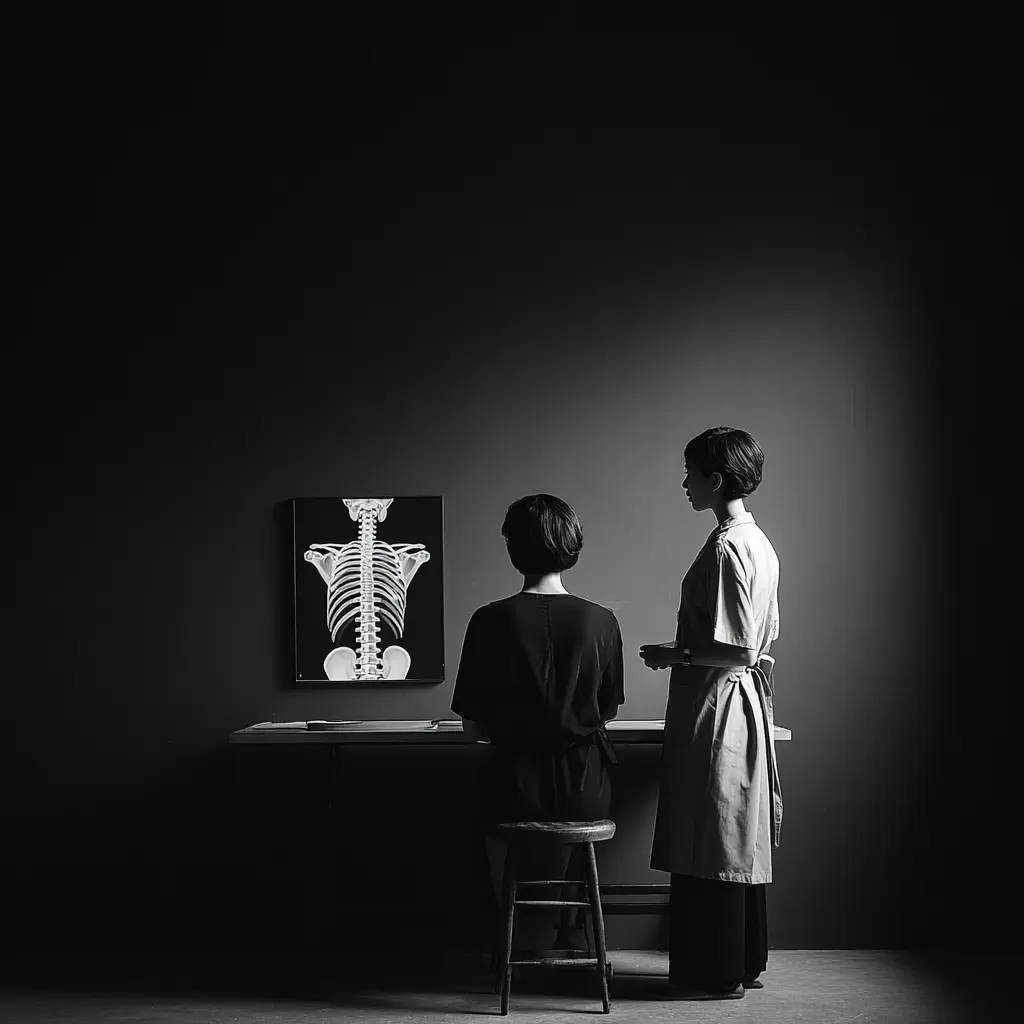
How We Take Care Of You
We begin with visual and measured observations from multiple angles, combined with a spinal and movement assessment. This shows us how your posture is affecting your joints, muscles, and nervous system — and identifies which areas are restricted, overloaded, or compensating. Where appropriate, we use objective tools like surface EMG and thermal scanning to measure what's happening beneath the surface.
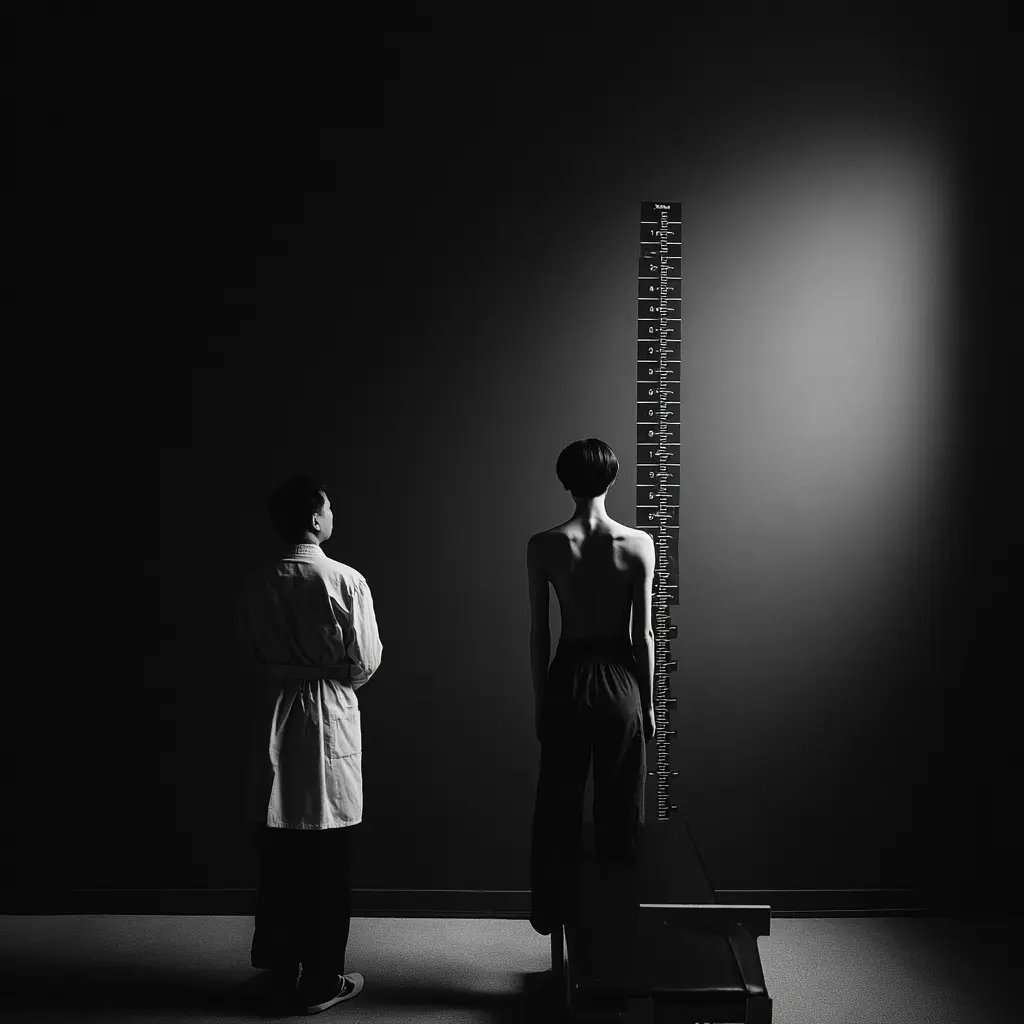
How We Take Care Of You
Your chiropractor examines key spinal segments to identify where joint restrictions are contributing to your postural pattern. When appropriate, we use imaging to understand deeper structural changes such as spinal degeneration or disc height loss. We look for the main drivers of your posture — not just the visible slouch.
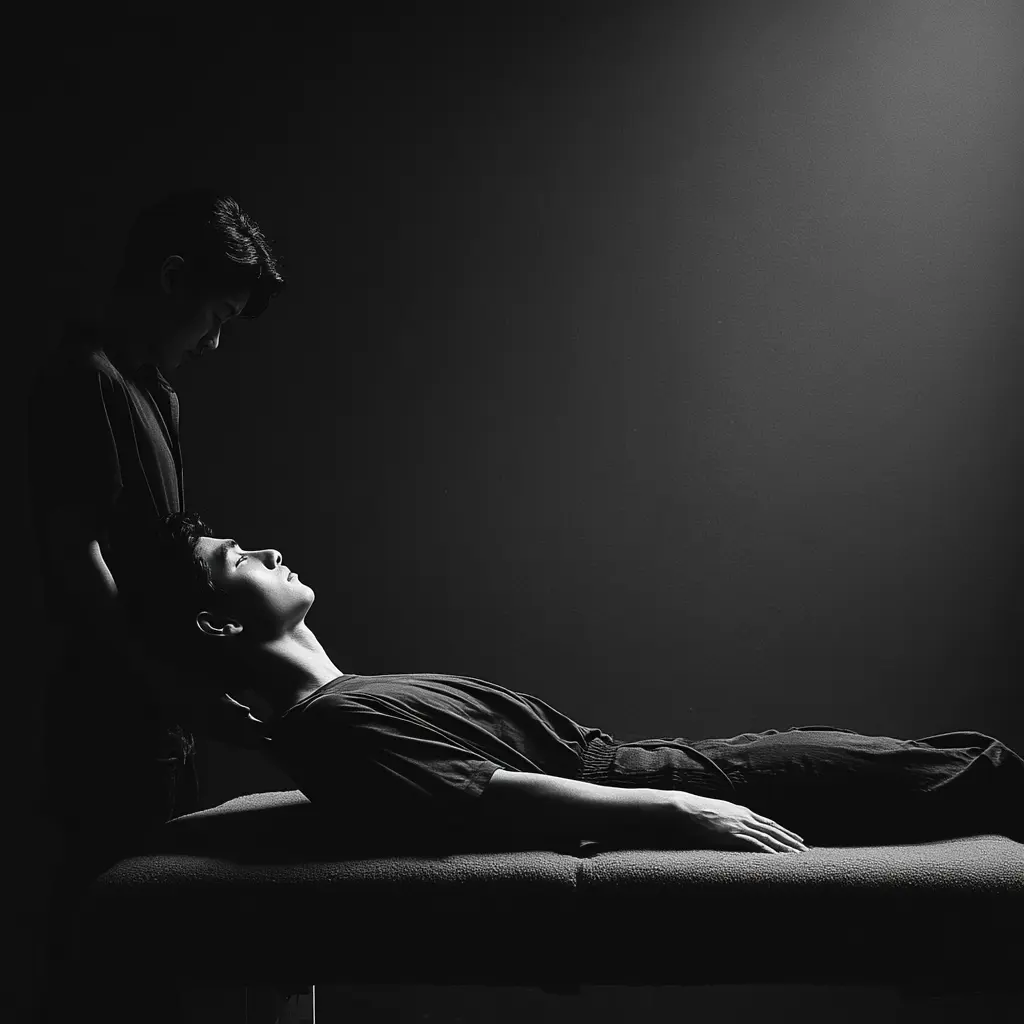
How We Take Care Of You
Care focuses on specific adjustments to restore motion and alignment in the areas carrying the most mechanical stress. We pair this with practical guidance — workspace setup, simple postural cues, and short movement routines you can realistically use each day. The goal is to make better posture achievable, not something that requires constant effort and willpower.
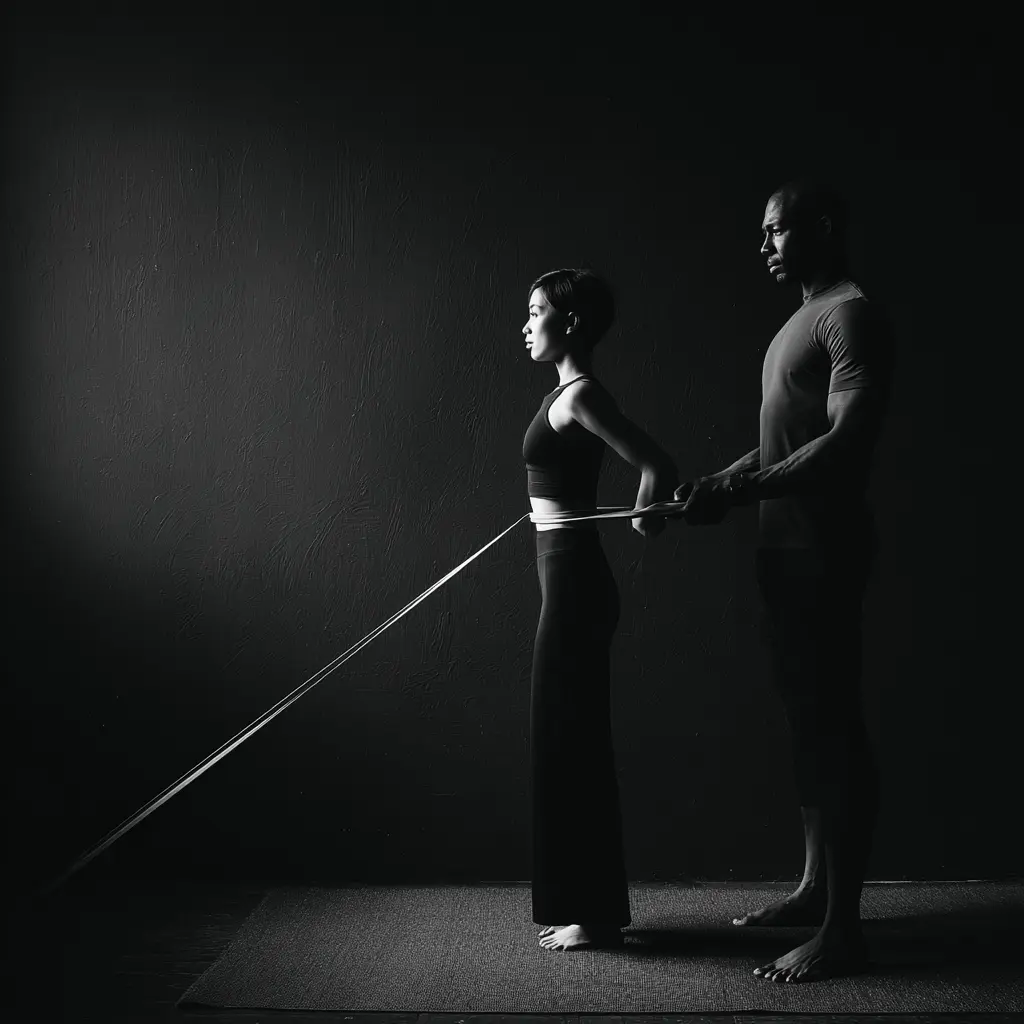
How We Take Care Of You
We reassess your posture at regular intervals using objective measurements so you can see real changes — not just feel them. This helps us track progress accurately and adjust your care plan as your alignment improves. From there, we discuss whether periodic maintenance visits might help you maintain long-term improvements.
Start Resetting Your Posture
Book a consultation at ATLAS in Central Hong Kong. We'll assess your alignment, identify what's driving your posture, and build a clear plan to help you stand taller and move with less tension.

Conditions We Also Support

.webp)