Sciatica Treatment in Central, Hong Kong

Chiropractic Care For Sciatica in Central, Hong Kong

Sciatica sufferers know the pain of debilitating symptoms well: shooting pain down from the low back into one or both of the buttocks and legs. Often one of the frustrating parts of sciatica is that the origin of the condition can be elusive. A damaged or degenerative spinal disc or vertebra can put pressure on a nerve root leading to the sciatic nerve, causing radiating sensations into the extremity. The cause can also be a tight muscle or inflammation around the sciatic nerve. Both of these can impede proper communication from the central nervous system out into the tissues and cells of the leg.

Sciatica is more than just a buzzword for back pain; it is a catch-all term for anything affecting the sciatic nerve. Potentially debilitating, it is characterized by pain that radiates along the path of the sciatic nerve and can turn simple daily activities like walking, sitting, or even sleeping into monumental challenges. It is a condition that affects millions of people worldwide, so if you have this, you’re not alone. The good news is that you don't have to live with it. At ATLAS Chiropractic HK, we believe that understanding the root cause of your sciatica is the first step toward lasting relief, and we are here to guide you on that journey.

While many people turn to conventional medicine for sciatica, often receiving prescriptions for painkillers and anti-inflammatories, this approach typically addresses only the symptoms. These medications can temporarily mask the pain, but they do nothing to correct the underlying mechanical or structural issue causing the nerve irritation. Studies, including those published in the Journal of Manipulative and Physiological Therapeutics, have consistently shown the efficacy of chiropractic care for sciatica. One such study concluded that 60% of patients with symptomatic disc herniation, a common cause of sciatica, benefited from spinal manipulation to the same degree as if they had undergone surgical intervention, but without the inherent risks and lengthy recovery time.

Choosing to address your sciatica proactively is crucial. Ignoring the pain or simply masking it can lead to a chronic cycle of flare-ups, increased pain, and potential long-term nerve damage. Numbness and weakness in the leg or foot can become permanent if the nerve compression is left unaddressed. Chiropractic care offers a safe, non-invasive, and drug-free alternative that focuses on restoring your body's natural function, not just silencing its warning signals. It is your best bet for not only finding relief today but also for building a healthier, more resilient spine for tomorrow.

What is Sciatica?

The sciatic nerve is the longest and thickest nerve in the human body, about the width of your finger. It originates in your lower back, formed by five nerve roots that branch out from the lumbar spine and sacrum. From there, it travels deep through your buttocks and down the back of each leg, eventually branching into smaller nerves that extend to your thighs, calves, feet, and toes. This nerve is responsible for both motor function (movement) and sensation in your lower limbs.

Sciatica (or lumbar radiculopathy) is not a diagnosis in itself, but a term describing a set of symptoms that occur when the sciatic nerve is compressed, irritated, or inflamed. This compression can happen at any point along the nerve's pathway.

Sciatica Treatment Near Me In Central, Hong Kong. Chiropractor For Sciatica Relief.

What does sciatica feel like?

The sensation of sciatica varies from person to person, but it is often described as:

- A sharp, shooting, or burning pain that radiates from the lower back down one leg. ·

- A constant dull ache in the buttock or leg.

- Electric-shock-like sensations.

- "Pins and needles" tingling or numbness in the leg, foot, or toes.

- Weakness in the affected leg or foot, making it difficult to walk or stand up from a seated position.

- The pain is typically one-sided and can be worsened by prolonged sitting, coughing, or sneezing.

What are the risk factors?

Several factors can increase your likelihood of developing sciatica:

Age: Age-related changes in the spine, such as herniated discs and bone spurs, are the most common causes.

Occupation:

- Jobs that require heavy lifting, such as nurses or construction workers

- Prolonged sitting in the office or corporate work

- Twisting of the back, such as dentists, dental assistants, or mechanics

Prolonged Sitting: A sedentary lifestyle is a significant risk factor for health issues.

Obesity: Excess body weight increases pressure and stress on the spine.

Diabetes: This condition affects the way your body uses blood sugar, increasing the risk of nerve damage.

Poor Core Strength: A weak core fails to provide proper support for the spine.

Why is sciatica so common?

In our modern world, we spend more time than ever in seated positions—at desks, in cars, and on sofas. This sedentary lifestyle places immense pressure on the lumbar disc. It can lead to weak supporting muscles and poor posture, all of which create an environment that is conducive to sciatic nerve compression.

Why is it essential to treat sciatica quickly?

While some acute sciatica episodes may resolve on their own, this isn't always the case. Chronic nerve compression can lead to neurogenic atrophy (muscle wasting) and nerve

damage, resulting in lasting weakness or numbness. It can also cause sensitisation, where typical benign movements or sensations become painful. Early intervention not only provides faster pain relief but also prevents the condition from becoming a chronic, debilitating problem.

How does the conventional approach differ from the chiropractic approach?

The conventional medical model often follows a "wait and see" approach initially, followed by prescriptions for painkillers, muscle relaxants, or steroid injections. If these fail, surgery is frequently presented as the next option. While sometimes necessary in severe cases, this path is reactive and focuses on symptom management.

The chiropractic approach is fundamentally different. We are proactive detectives. Our goal is to find the source of the nerve irritation and correct it. We view the body as an integrated system. By performing a detailed examination, we identify dysfunctional movement patterns, then use precise, hands-on adjustments and other complementary therapies to restore proper alignment and function. This drug-free, non-invasive method empowers your body to heal itself naturally.

How We Treat Sciatica in Central, Hong Kong

Our treatment philosophy is built on a foundation of accurate diagnosis and personalized care. We don't just treat the word "sciatica"; we treat the unique individual experiencing it.

Comprehensive Consultation and Exam

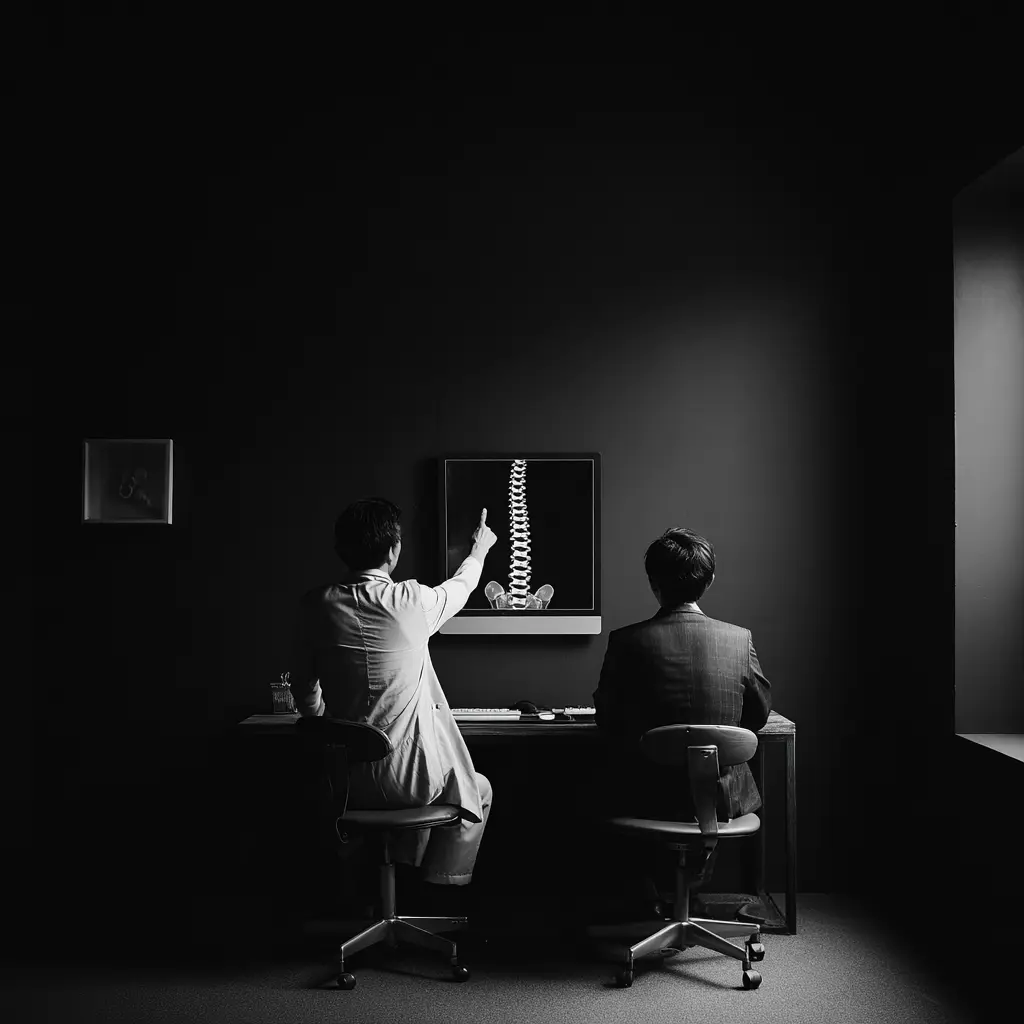
Your journey to relief begins with understanding. We conduct a thorough consultation to discuss your health history, lifestyle, and the specific nature of your pain. A comprehensive physical and neurological exam follows this. We assess your posture, range of motion, muscle strength, and reflexes. We perform specific orthopedic tests designed to pinpoint the exact source of your nerve irritation. Why is this so important? Because sciatica can be caused by several different underlying issues—a herniated disc, a restricted vertebra, or a tight piriformis muscle. Treating the wrong cause will yield poor results. Our diagnostic process ensures that we identify the root cause of your problems, enabling us to create a care plan tailored specifically to you.

Specific Chiropractic Care in Central, Hong Kong

At the core of our treatment is the chiropractic adjustment. A restriction of a spinal vertebra can cause dysfunction, irritation to nerve pathways, and aberrant movement if the nerve's communication is affected. When a spinal limitation occurs in the lumbar spine, it can directly compress or irritate the nerve roots that form the sciatic nerve.

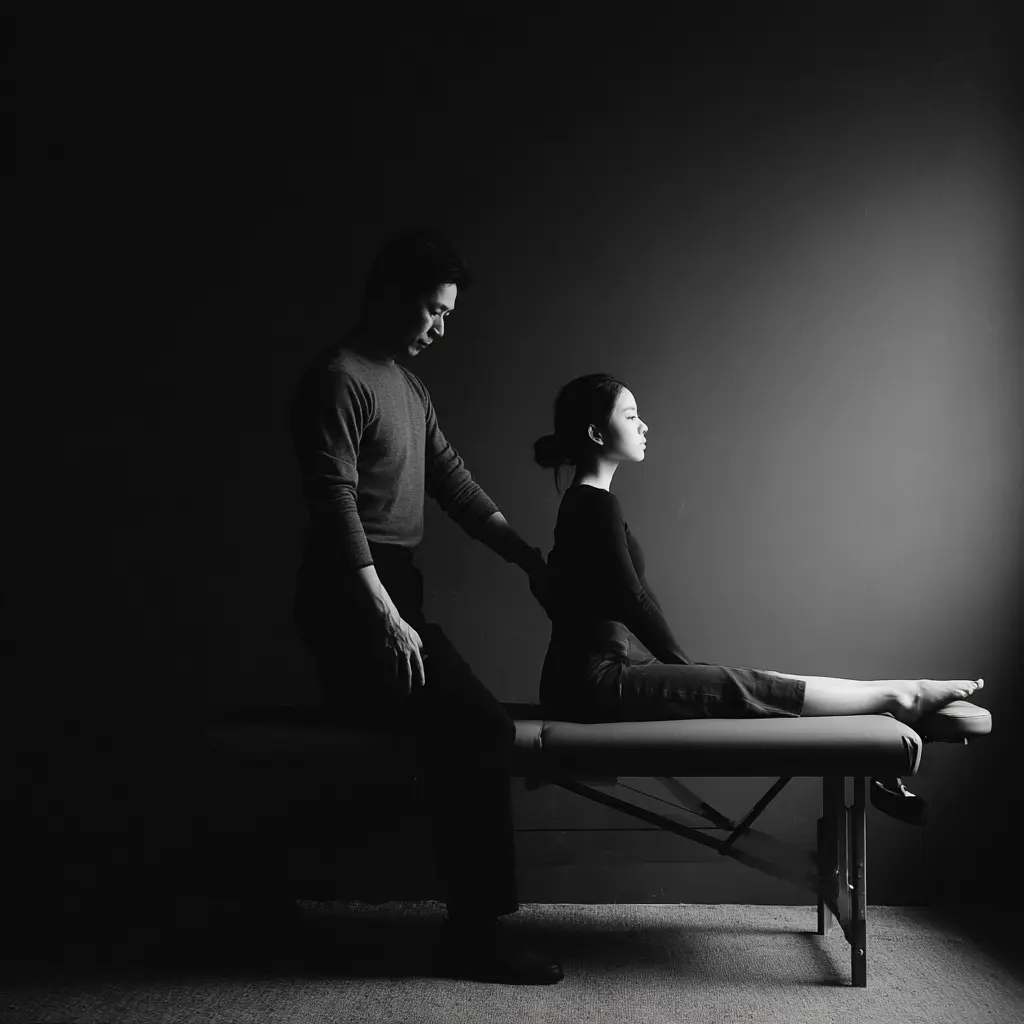
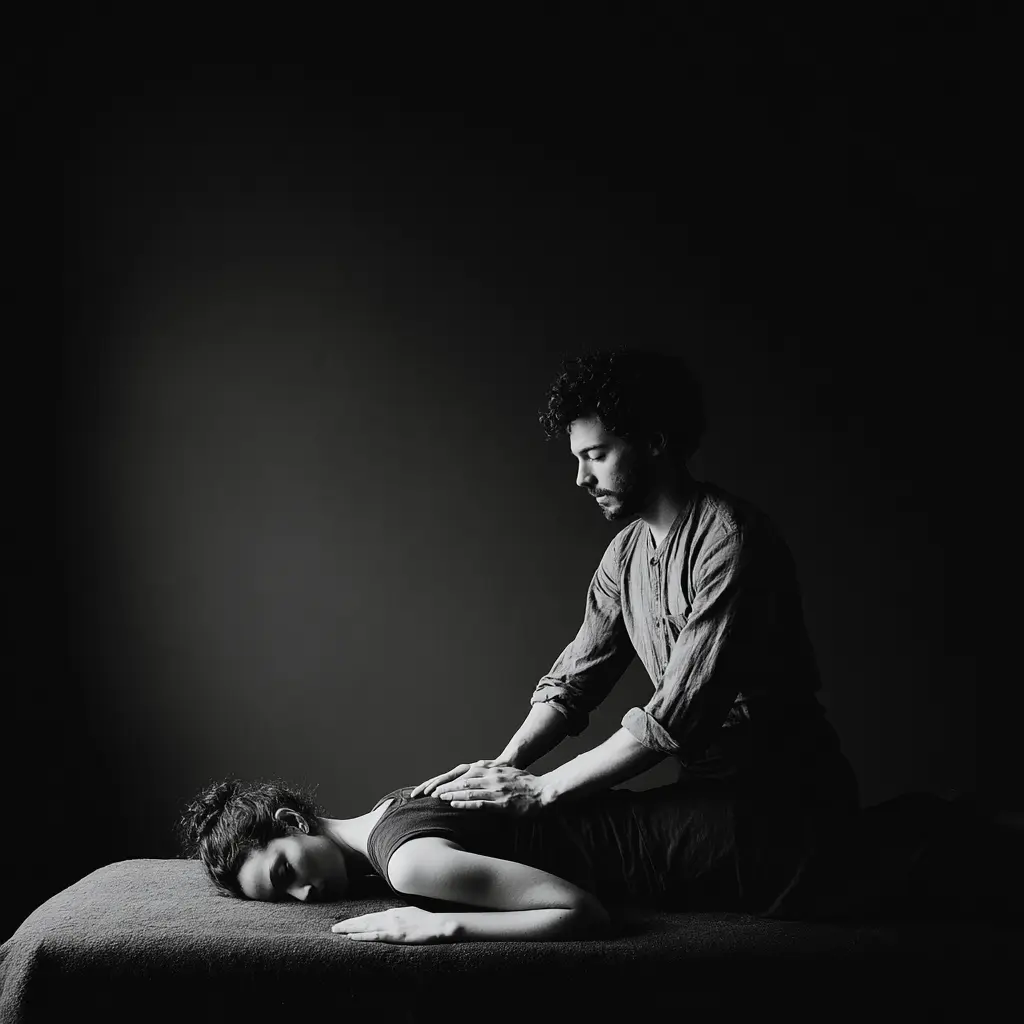
We use specific, gentle, and highly skilled adjustments to correct these structural restrictions. By restoring proper alignment to the spine, we remove the mechanical pressure on the nervous system. This allows for improved nerve communication, reduced inflammation, and the restoration of normal function. For a patient with sciatica, this can mean immediate relief from radiating pain and decreased muscle spasms. However, depending on the severity of the condition, it may take more time. This makes chiropractic care superior to a conventional model that merely masks the pain without addressing its origin.

Custom Therapeutic Exercise Plan

Your muscles are the scaffolding for your spine. Weak or imbalanced core and gluteal muscles can fail to support your lumbar spine, leading to spinal restrictions and disc problems that cause sciatica. Conversely, tight muscles (like the piriformis) can strangle the sciatic nerve as it passes through the buttocks.

This is why a custom therapeutic exercise plan is a cornerstone of our care. These exercises are not generic; they are specifically chosen for you. In the acute phase, gentle stretches may be recommended to relieve nerve tension and reduce muscle spasms. As you heal, we introduce strengthening exercises to build a resilient "core corset" that stabilizes your spine and prevents future recurrences. This active component of your care empowers you to take control of your spinal health.

Common Causes of Sciatica in Central, Hong Kong

Herniated Lumbar Discs

A spinal disc has a tough outer ring (annulus fibrosus) and a soft, gel-like center (nucleus palposus). A disc bulge occurs when the outer ring weakens and the disc extends beyond its normal boundary, much like a hamburger patty that is too large for its bun. A disc herniation is more severe, where the outer ring tears and the soft nucleus leaks out, potentially pressing directly on a nerve. This is often caused by wear and tear or a sudden injury from heavy lifting with poor form. Symptoms can be identical to sciatica and usually include sharp, acute pain. The best treatment is a conservative approach that includes chiropractic adjustments, decompression to relieve pressure, and laser therapy to heal the damaged tissue.

Degenerative Disc Disease (DDD)

DDD is not truly a "disease," but a term for the natural, age-related wear and tear of your spinal discs. As discs lose hydration and height, they become less effective as shock absorbers. This can lead to the development of bone spurs and a narrowing of the nerve pathway, which can irritate the sciatic nerve. Risk factors include genetics, obesity, smoking, and repetitive stress. We care for DDD by improving spinal motion and alignment through adjustments, strengthening supporting muscles, and utilizing therapies such as laser and decompression to stimulate healing and hydration in the discs.

Spinal Stenosis

This condition involves the narrowing of the spinal canal—the bony tunnel that houses and protects the spinal cord and nerves. This narrowing, often from arthritis and bone spurs, can compress the nerve roots. Symptoms of stenosis usually include leg pain that worsens with walking and standing, and is relieved by sitting or bending forward (flexion). The best treatment focuses on creating more space in the canal through specific adjustments, flexion-distraction techniques, and strengthening exercises to improve posture and stability.

Sacroiliac Joint Dysfunction

The sacroiliac (SI) joints connect your sacrum (the triangular bone at the base of your spine) to your pelvis. They are responsible for transferring force from your upper body to your legs. When these joints become too stiff or too mobile (dysfunctional), they can refer pain directly

into the buttock and down the leg, mimicking sciatica. The best treatment involves specific adjustments to restore normal motion to the SI joints, along with stabilizing exercises for the core and glutes.

How Can Chiropractic Care Help With Sciatica?

Chiropractic care can help address the root cause of symptoms and disease, the same can be said with helping rehabilitate patients who are suffering from sciatica. When assessing a person, chiropractors look to the spine and nervous system to find areas of subluxation: a mechanical dysfunction of a vertebra, impacting the body’s ability to self-regulate, communicate, heal, and repair. Rather than just trying to cover up symptoms, chiropractors find the underlying cause of the issue. If someone is suffering with a subluxation, chiropractors adjust that area of the spine to create better movement, reduce inflammation, break up scar tissue, and allow the body to heal.

Frequently Asked Questions

Should I see a doctor or a chiropractor about Sciatica?

You should see a chiropractor first. We specialize in diagnosing and treating musculoskeletal conditions, including sciatica. We can determine if your condition is within our scope of care or if a referral to another specialist is necessary.

What is the best treatment for sciatica?

The "best" treatment is the one that addresses the specific root cause of your sciatica. For most people, a conservative, drug-free approach involving chiropractic care, therapeutic exercises, and complementary therapies like laser and decompression offers the most effective and sustainable path to recovery.

How should I lie with Sciatica?

Sleep on your side with a pillow between your knees to keep your spine, hips, and pelvis aligned. If you sleep on your back, place a pillow under your knees to reduce pressure on your lower back. Avoid sleeping on your stomach.

How long does sciatica last?

An acute episode can last a few days to a few weeks. With proper chiropractic care, many patients feel significant relief within the first few visits. Chronic sciatica can persist for months or years if the underlying cause remains untreated.

Can stretching make sciatica worse?

Yes, if you stretch incorrectly. Aggressively stretching a hamstring or piriformis that is already protecting an irritated nerve can increase inflammation. Always follow the guidance of your chiropractor, who can recommend safe and effective stretches tailored to your specific condition.

What is better for sciatica, acupuncture or a chiropractor?

Acupuncture is excellent for managing pain and reducing inflammation. Chiropractic care addresses the underlying structural and mechanical cause of that pain. They can be a powerful combination, but if you must choose one, chiropractic gets to the root of the problem.

How can I alleviate the pain in my sciatic nerve?

The most effective long-term solution is to have a professional identify and correct the source of the nerve irritation. In the short term, applying ice to the lower back for 15-20 minutes can help reduce inflammation, and avoiding prolonged sitting can prevent aggravating the nerve.

If you are suffering from sciatica, don't resign yourself to a life of pain and limitation. Contact ATLAS Chiropractic HK today to schedule your comprehensive consultation and take the first step toward lasting relief and a healthier spine.

Schedule Your Sciatica Pain Relief Consultation Today!

Begin your journey of optimal physical and mental wellness with ATLAS today. If you are ready to book your session with us, call +852 2110 3901 to get your health back on track!

ATLAS Chiropractic
8/F, 10 Pottinger St, Central, Hong Kong
+852 2110 3901

back to top arrow

Our Weekly Schedule

Monday

8:30-13:00
16:00-19:00

Tuesday

8:30-13:00

Wednesday

8:30-13:00
16:00-19:00

Thursday

8:30-13:00
16:00-19:00

Friday

8:30-13:00

close icon
BOOK NOW