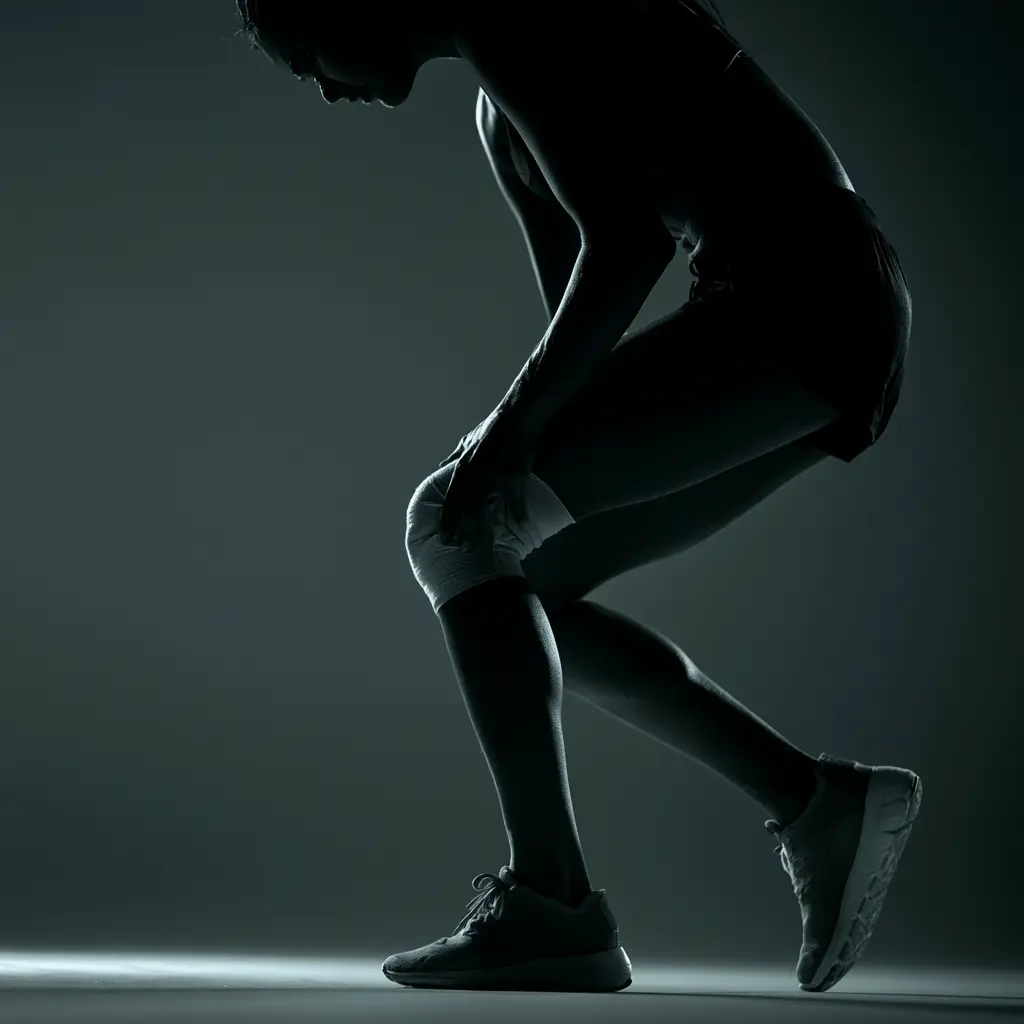
Runner's Knee: Causes, Symptoms and How to Ease It

Runner's knee is one of the most common complaints among active people in Hong Kong, from trail runners on Dragon's Back to office workers who train after long days at a desk. The name sounds specific, but it describes a familiar pattern: a dull ache around or behind the kneecap that builds during activity and lingers afterwards.
This article explains what runner's knee is, why it develops, how it connects to your nervous system, and the calm, practical steps that tend to help. It is educational rather than a diagnosis, and it points to when a proper assessment makes sense.
What Runner's Knee Really Is
Runner's knee, known clinically as patellofemoral pain, describes discomfort around the front of the knee, where the kneecap meets the thigh bone. The kneecap sits in a shallow groove and glides up and down as you bend and straighten the knee. When that glide is smooth and centred, you feel nothing. When the kneecap tracks slightly off centre, the surrounding tissues become irritated, and that irritation is what you feel as a nagging ache.
It is rarely a single dramatic injury. More often it builds quietly over weeks, which is why so many people ignore it until a run or a flight of stairs makes it hard to overlook. Because the knee shares load with the hip and foot, runner's knee is often a sign that the whole leg is not sharing work evenly, not simply that the knee is at fault. This is also why knee pain care looks beyond the knee itself.
How Runner's Knee Links to Your Nervous System
Your knee is not just a hinge. It is packed with sensors that send a constant stream of information to your nervous system about position, load and movement. When the kneecap is not moving well, that input changes, and your nervous system responds by subtly adjusting how you move, often by tightening the muscles around the hip and thigh to protect the joint.
Over time that protective pattern can spread load unevenly and keep the irritation going, so the ache settles into a cycle. Pain itself is a signal produced by the nervous system, and when an area stays irritated, those signals can become easier to trigger. The aim of care is not to silence the knee but to improve how the joint moves, reduce irritation to the surrounding nerves, and improve communication between the spine, the leg and the nervous system so the protective pattern can settle.

Why Runner's Knee Develops
Runner's knee usually comes from a mix of mechanics and habits rather than one single cause.
- Training load that climbs too fast. A jump in distance, pace or hill work gives the kneecap more than it is ready for.
- Hip and glute control. When the muscles that steady the hip are weak or slow to fire, the thigh rolls inward and the kneecap tracks off centre.
- Foot mechanics. Flat or rolling feet change the angle of load through the knee, which is why foot and ankle pain and knee pain often travel together.
- Desk-bound days. Long hours seated leave the hips stiff and the supporting muscles underused, so the first hard session of the week lands on an unprepared joint.
Hong Kong adds its own pressures: steep trails, endless stairs, humidity that tempts people to cut warm-ups short, and marathon training that ramps up quickly. None of these are faults. They are simply load, and load needs to be matched by preparation.
Signs and Patterns to Notice
Runner's knee has a recognisable pattern. Common signs include:
- A dull ache around or behind the kneecap, rather than a sharp, pinpoint pain.
- Discomfort that is worse going downstairs or downhill, squatting, or kneeling.
- An ache after sitting for a long time with the knee bent, sometimes called the cinema sign.
- A soft grinding or clicking as the knee bends.
Most cases are a matter of irritation and load, not damage. That said, some symptoms deserve prompt attention. If you experience sudden severe swelling, a knee that locks or gives way, an inability to put weight through the leg, or pain with a fever, seek urgent medical care rather than waiting.
What ATLAS Would Assess
Because the knee rarely works alone, an assessment at ATLAS looks at the whole chain. We would watch how you move, squat and load the leg, check the control and strength around the hip, and look at how the foot meets the ground. We also assess how the spine and pelvis are sharing the work, since the nervous system coordinates the whole pattern.
Where it helps, we use objective measures rather than guesswork. Surface EMG shows how your muscles are actually firing and where tension is sitting, and a structural evaluation helps us understand how load is travelling through the joint. Care may begin with a focused early phase to calm the irritation, then move towards stabilising the pattern so the knee holds up when you return to full activity. If you want a sense of how this works for active people, our guide to seeing a sports chiropractor in Hong Kong walks through what to expect.
What Helps, and Common Questions
In the early days, aim for relative rest rather than complete rest. Keep moving in ways that do not provoke the ache, ease off downhill running and deep squats for a while, and build load back gradually. Strengthening the hips and glutes, checking your footwear, and warming up properly all tend to help. Avoid pushing through sharp or worsening pain, and avoid a sudden return to full mileage once things feel better, since that is how the cycle restarts. For a wider view, our article on recovering from a sports injury covers the same principles across other injuries.
How long does runner's knee take to heal?
Many cases settle over a few weeks once load is managed and the supporting muscles are working better. Recurring or long-standing cases take longer, because the underlying mechanics need to be addressed, not just the sore knee. A clear plan usually shortens the road.
Can you keep running with runner's knee?
Often yes, in a modified form. Reducing distance, easing off hills, and staying below the level that provokes pain lets many people keep moving while things calm down. If the pain worsens, changes character, or does not respond to a lighter load, it is worth getting assessed before pushing on.