Time
Open Status
ATLAS Library

Common Conditions
New Clients
Book A Consult
Knee Pain
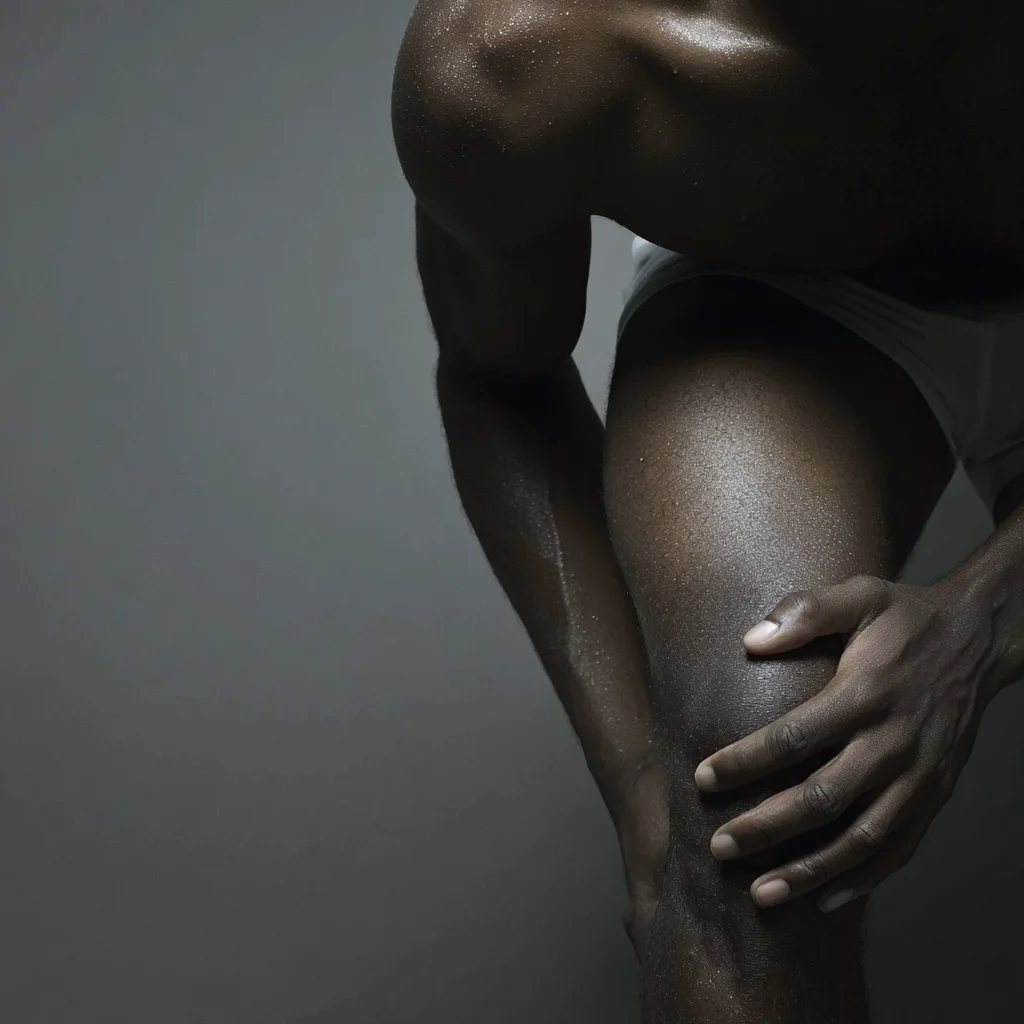
Knee pain affecting your movement? ATLAS in Central Hong Kong assesses alignment, stability, and nervous system function to identify what's driving your symptoms. Structured care for lasting improvement. Book today.
Knee Pain Relief & Chiropractic Treatment in Hong Kong
On-Site Visit
What Causes Knee Pain?
Poor Lower-Body Alignment
The knee sits between two major joints — the hip above and the ankle below — and its health depends heavily on how those joints are functioning. When the pelvis is tilted, one hip is tighter than the other, or the foot is rolling inward excessively, the knee absorbs mechanical stress it wasn't designed to handle. Over time, this uneven loading irritates the joint surfaces, strains the ligaments, and places excessive demand on the muscles surrounding the knee. What makes this difficult to spot is that the knee itself often feels fine at first — the pain only appears once the compensations have been building for weeks or months. This is why knee pain frequently returns after rest alone: the symptoms settle, but the alignment issue that caused them hasn't changed. The nervous system adapts to these imbalanced movement patterns, reinforcing them as the new normal. Correcting knee pain in these cases requires looking beyond the knee itself and assessing the entire chain from the lower back through to the feet.
The knee relies on a balance of strength between the quadriceps at the front of the thigh, the hamstrings at the back, the glutes above, and the calf muscles below. When any part of this system is weak or not firing properly, the knee joint loses stability and begins to track incorrectly during movement. One of the most common patterns is weak glutes combined with tight hip flexors — this causes the thigh to rotate inward slightly, pulling the kneecap off its ideal path. Over time, this creates irritation on the underside of the kneecap or along the outer edge of the knee. The nervous system responds by tightening the surrounding muscles to stabilise the joint, which can create a cycle of stiffness, pain, and further imbalance. Many people with knee pain notice it worsens with stairs, squatting, or running — activities that demand more from these stabilising muscles. Rebuilding the right balance of strength and activation is essential for long-term knee health.
Repetitive activities like running, hiking, cycling, or even long daily walks can gradually overload the soft tissues around the knee. The tendons, ligaments, and cartilage in the knee are designed to handle load, but they need adequate recovery time to repair and adapt. When the volume or intensity of activity exceeds the tissues' ability to recover, irritation develops — often starting as mild stiffness or aching that worsens over days or weeks. This is particularly common in people who increase their training suddenly, return to exercise after a break, or spend long periods on their feet at work. The knee doesn't usually fail in one dramatic moment from overuse — it's the accumulation of repeated micro-stress without enough recovery that leads to pain. The nervous system responds to this building irritation by altering how you move, creating subtle compensations that can affect the hip, ankle, and lower back over time.
A past ankle sprain, knee injury, hip problem, or even a lower back issue can quietly change the way you move for months or years after the initial pain has gone. When an injury occurs, the nervous system shifts weight distribution and movement patterns to protect the injured area. You may start favouring one leg, landing differently when you walk, or avoiding certain movements without realising it. These compensations were helpful during the acute phase — they reduced pain and allowed healing — but if the underlying movement patterns aren't corrected, the compensatory habits become permanent. The knee often becomes the site where these accumulated compensations finally produce symptoms, because it's absorbing forces that should be distributed more evenly across the whole lower body. Old injuries that seemed fully healed can still be influencing how your knee functions today.
Common Symptoms of Knee Pain
Symptoms
How We Take Care Of You
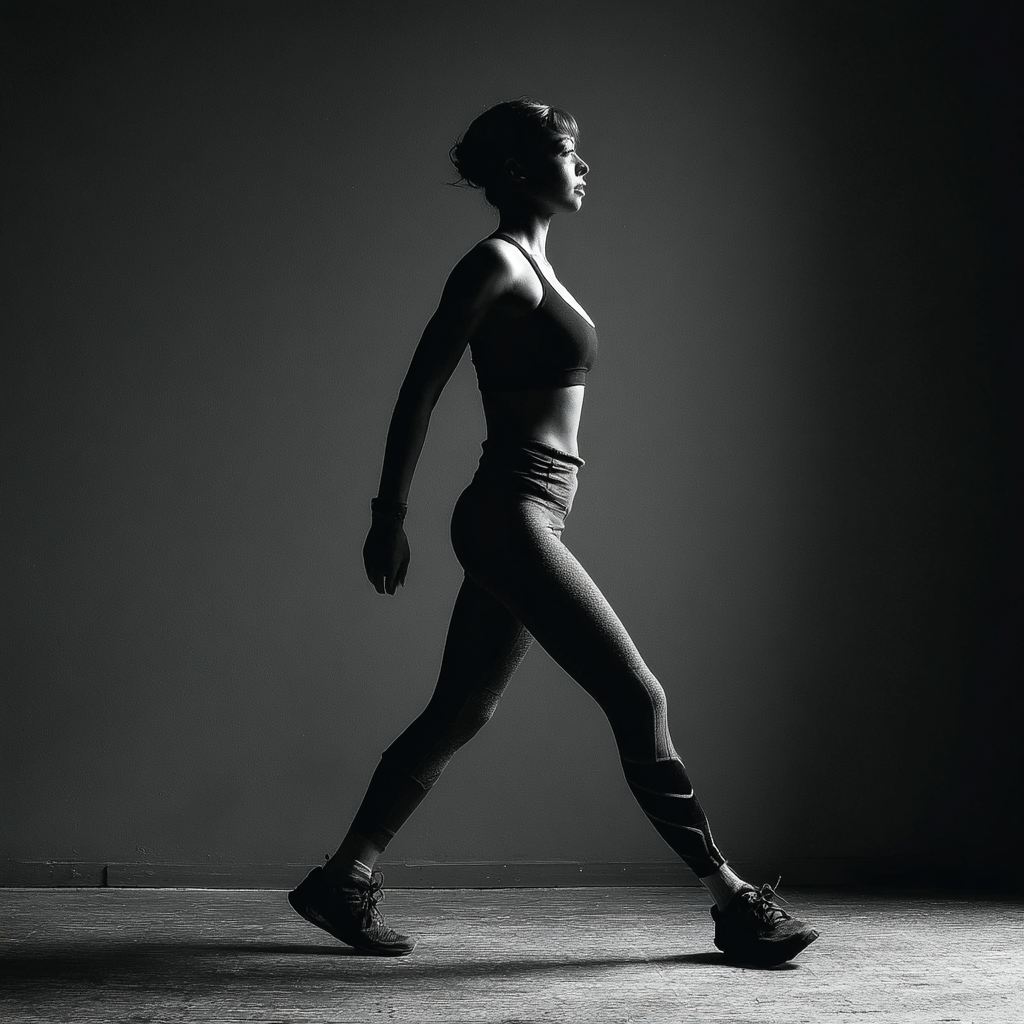
We take a whole-body approach, assessing your hips, pelvis, ankles, posture, and gait to identify where the true driver of your knee symptoms is coming from. This includes specific orthopaedic tests and movement screening to understand how the knee is functioning within the full kinetic chain. Where appropriate, we use objective tools like surface EMG to measure how the surrounding muscles and nervous system are performing.
How We Take Care Of You
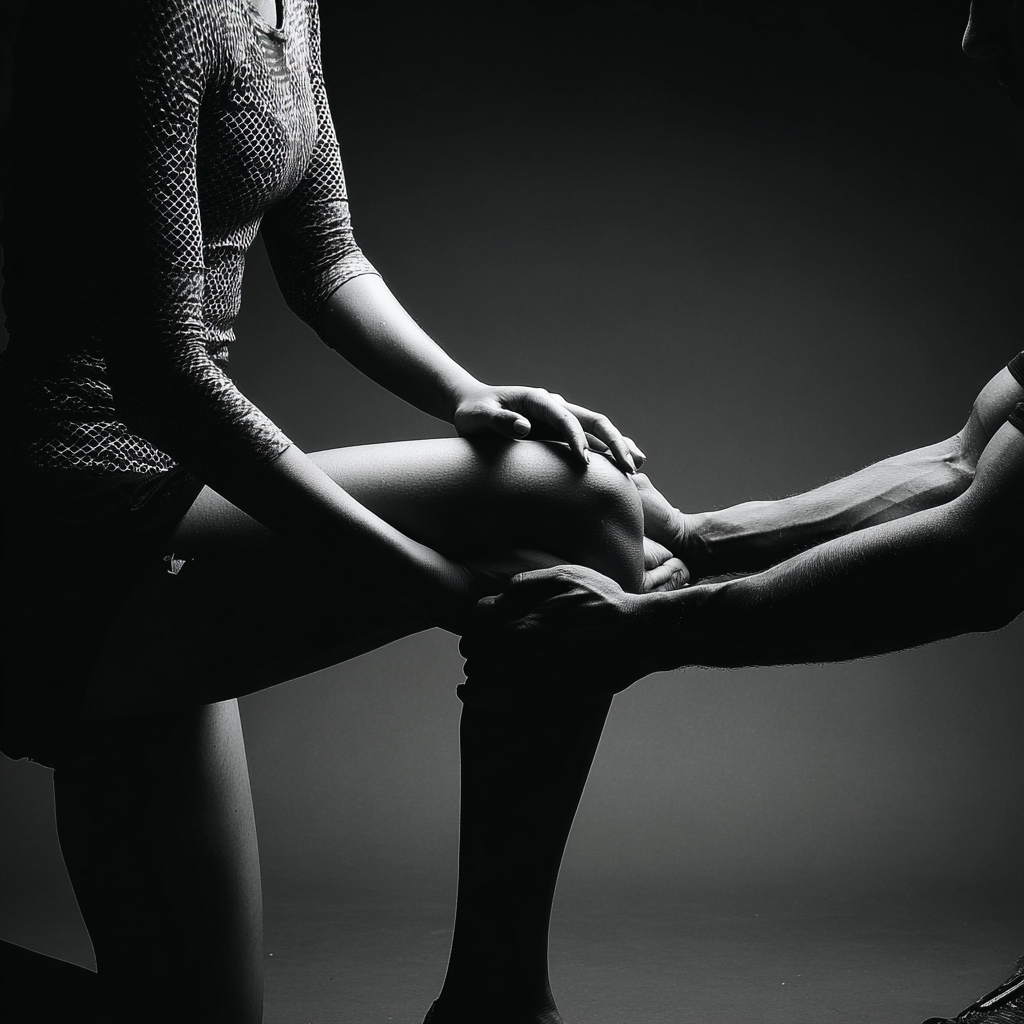
Based on your assessment, our chiropractors use gentle adjustments and targeted techniques to restore proper alignment and movement to the joints that are influencing your knee — including the hip, pelvis, ankle, and lumbar spine. When the joints above and below the knee move well, the mechanical load on the knee itself becomes more balanced and the irritation can begin to settle.
How We Take Care Of You
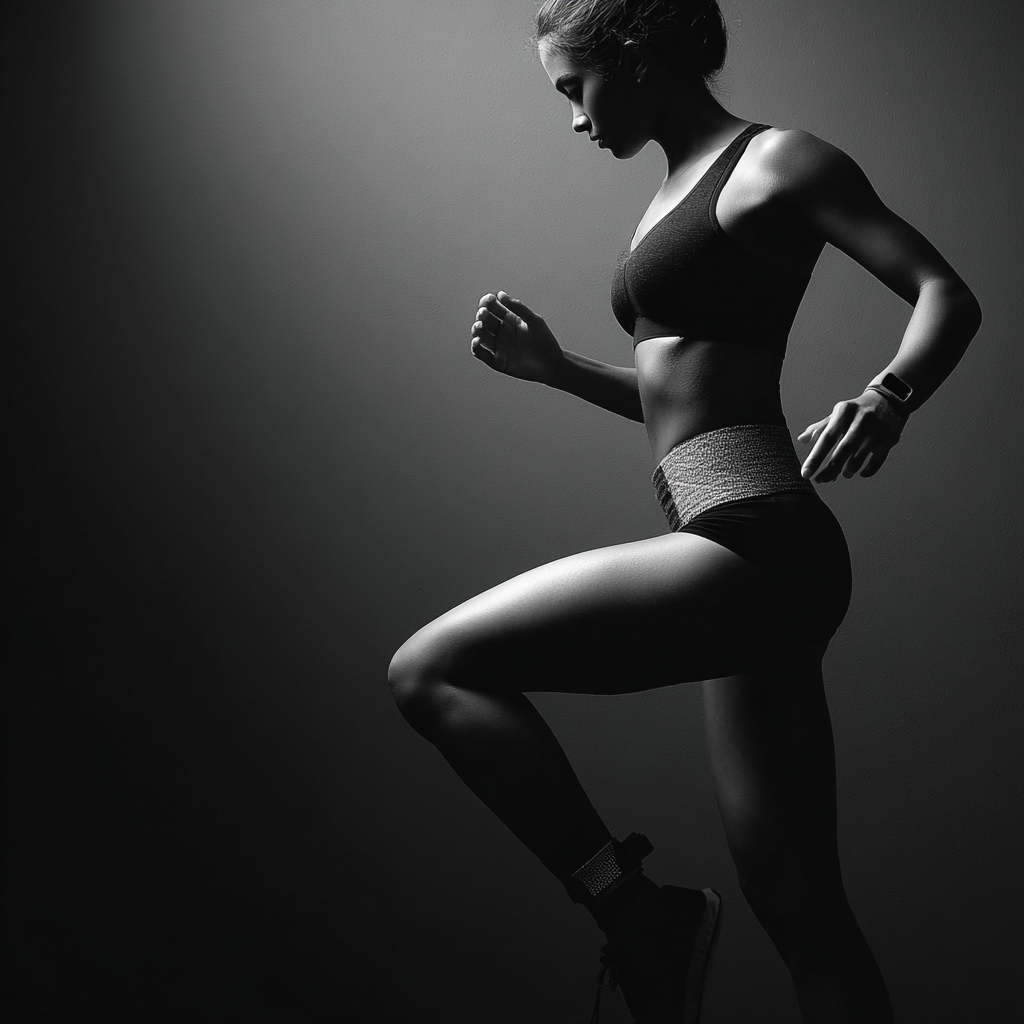
We design a strengthening and movement plan specific to your presentation, targeting the muscles that stabilise the knee and correcting the imbalances contributing to your symptoms. This includes practical guidance on modifying activities during recovery so you can stay active without aggravating the joint.
How We Take Care Of You
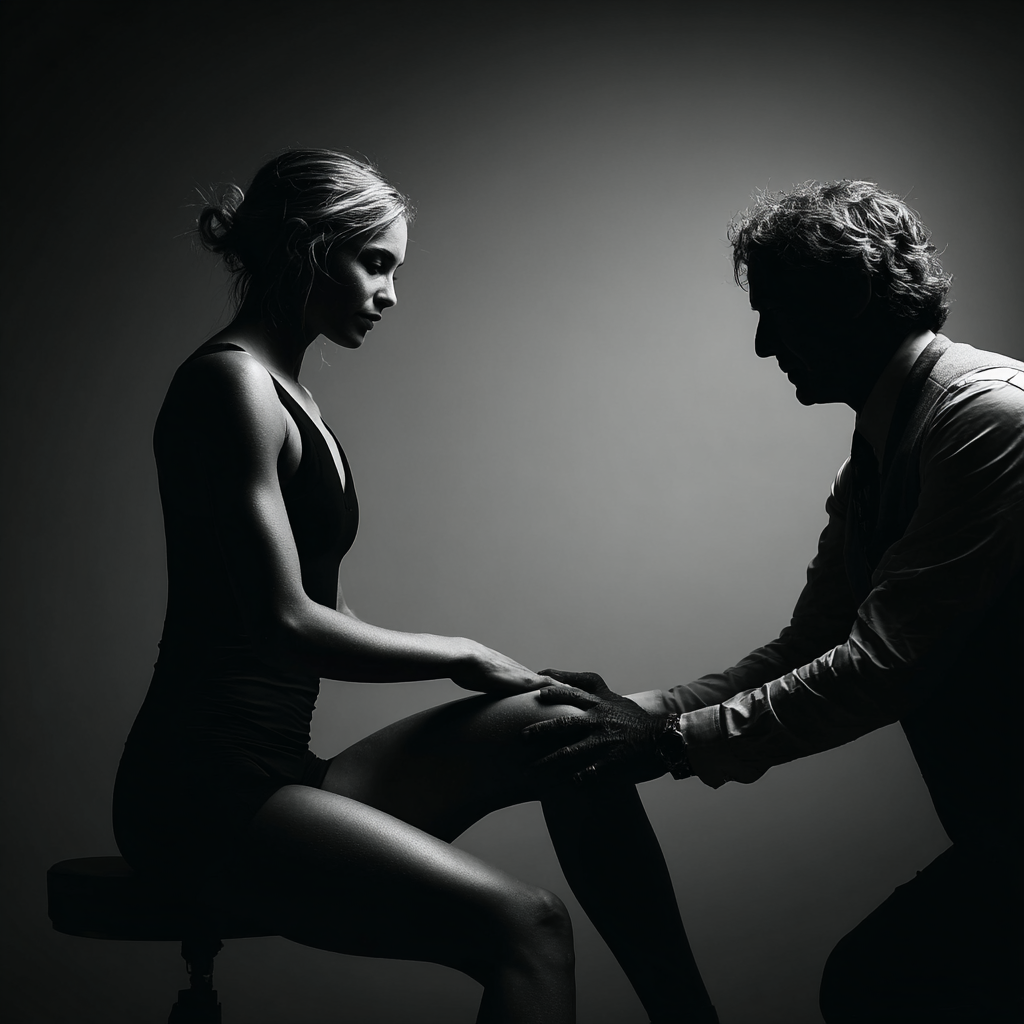
We track your progress at regular checkpoints using objective measurements and functional tests, so you can see how your strength, stability, and movement quality are improving over time. The goal is not just to reduce pain but to build a knee that's more resilient — so you can walk, run, and move with confidence long-term.
Ready to Move Without Knee Pain?
Book a consultation today and let our team identify what’s causing your discomfort—and build a personalized plan to help you walk, bend, and move confidently again.

Conditions We Also Support

.webp)