Time
Open Status
ATLAS Library

Common Conditions
New Clients
Book A Consult

Disc Issues & Herniation
Disc bulges and herniated discs can cause radiating pain, numbness, and stiffness that affect your daily life. At ATLAS in Central Hong Kong, we use structured spinal assessments and objective nervous system testing to identify what's driving your symptoms — and build a clear plan to reduce nerve irritation and support long-term recovery.
Disc Herniation & Bulging Disc Care | ATLAS Chiropractic Hong Kong
On-Site Visit
What Causes Disc Issues & Herniation?
Spinal Misalignment & Joint Restriction
Your spinal discs sit between each vertebra and act as shock absorbers. When the joints above or below a disc aren't moving properly, the load distribution changes. Instead of pressure being spread evenly, certain areas of the disc take on more force than they're designed to handle. Over time, this uneven mechanical stress can cause the outer wall of the disc to weaken, bulge, or eventually herniate — pushing into the space where nearby nerves sit. This is one of the most common ways disc problems develop, and it often starts long before any pain appears. When the disc material shifts far enough to irritate a nerve, it can trigger pain, tingling, or numbness that travels into the arm or leg.
Repeated bending, twisting, or lifting with poor form places cumulative strain on the spinal discs — particularly in the lower back. Each individual movement may seem harmless, but over weeks and months the outer layers of the disc gradually break down. This is especially common in people who combine desk work with gym training or manual tasks without adequate spinal mobility. The disc doesn't usually fail in one dramatic moment. It's typically the result of hundreds of small mechanical stresses that weaken the disc wall until it can no longer contain the softer material inside. Once that material pushes outward, it can press against or irritate the surrounding nerves, disrupting how signals travel through the nervous system.
The muscles around your spine — particularly the deep stabilisers in your core and glutes — play a crucial role in protecting your discs. When these muscles are weak or not activating properly, the spine loses a layer of support. The discs and joints end up absorbing forces that should be shared across the whole system. This imbalance is common in people who sit for long periods, as prolonged sitting can switch off the deep stabilising muscles over time. Without that muscular support, the disc is more vulnerable to bulging or herniating — especially during movements that involve bending, lifting, or twisting. Rebuilding this stability is a key part of long-term disc recovery.
As we age, spinal discs naturally lose hydration and become less flexible. A well-hydrated disc is supple and resilient — it can absorb load and bounce back. A dehydrated disc is stiffer, thinner, and more prone to cracking or bulging under normal daily stress. This process is called disc degeneration, and it happens to everyone to some degree. It doesn't always cause pain, but it does reduce the margin for error. Movements or postures that a healthy disc could handle easily may become enough to push a degenerating disc into a bulge or herniation. The space around the nerves also narrows as disc height decreases, which means even a small change in disc shape can irritate a nerve and produce symptoms like pain, stiffness, or radiating discomfort.
Common Symptoms of Disc Issues & Herniation
Symptoms
How We Take Care Of You
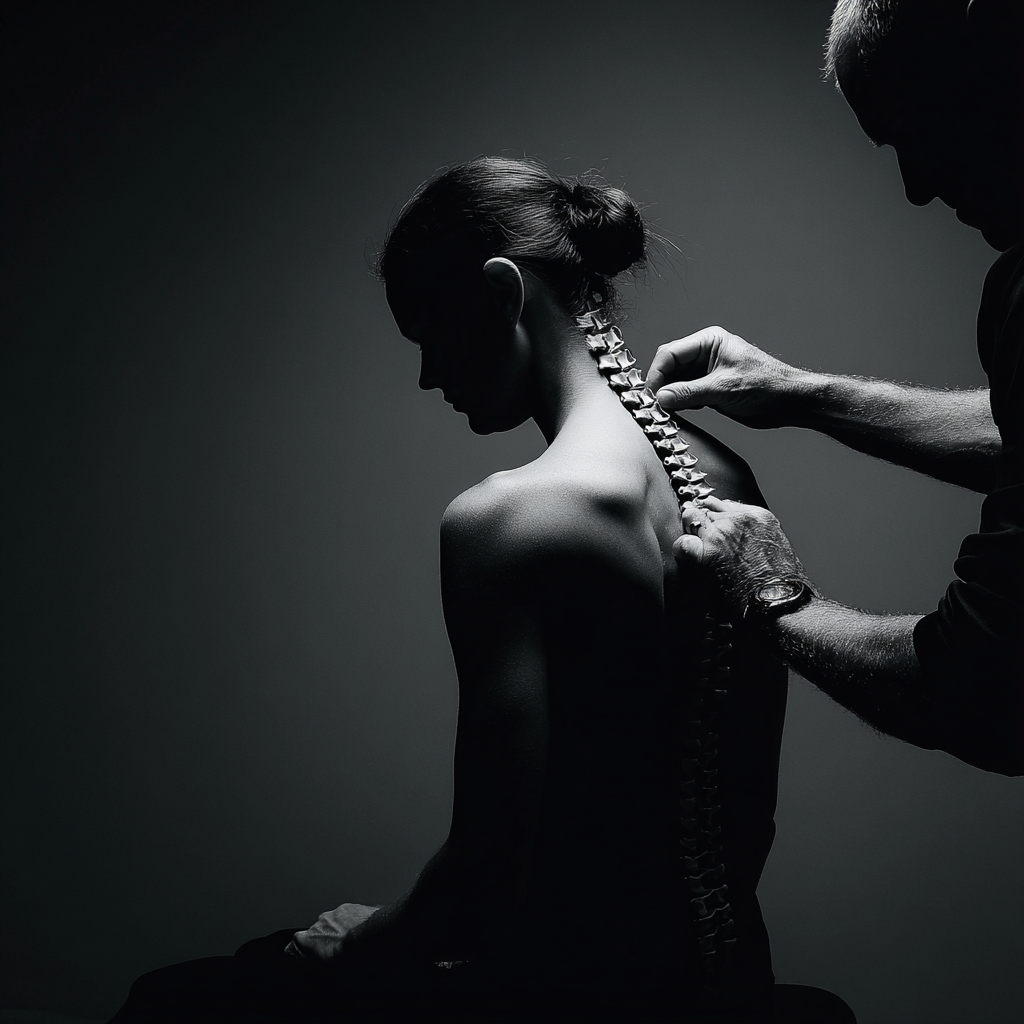
We start with a thorough spinal and neurological assessment to understand exactly which discs and nerves are involved. This includes evaluating your posture, range of motion, and specific orthopaedic tests designed to reproduce your symptoms in a controlled way. Where appropriate, we use objective tools like surface EMG and thermal scanning to measure how your nervous system is functioning.
How We Take Care Of You
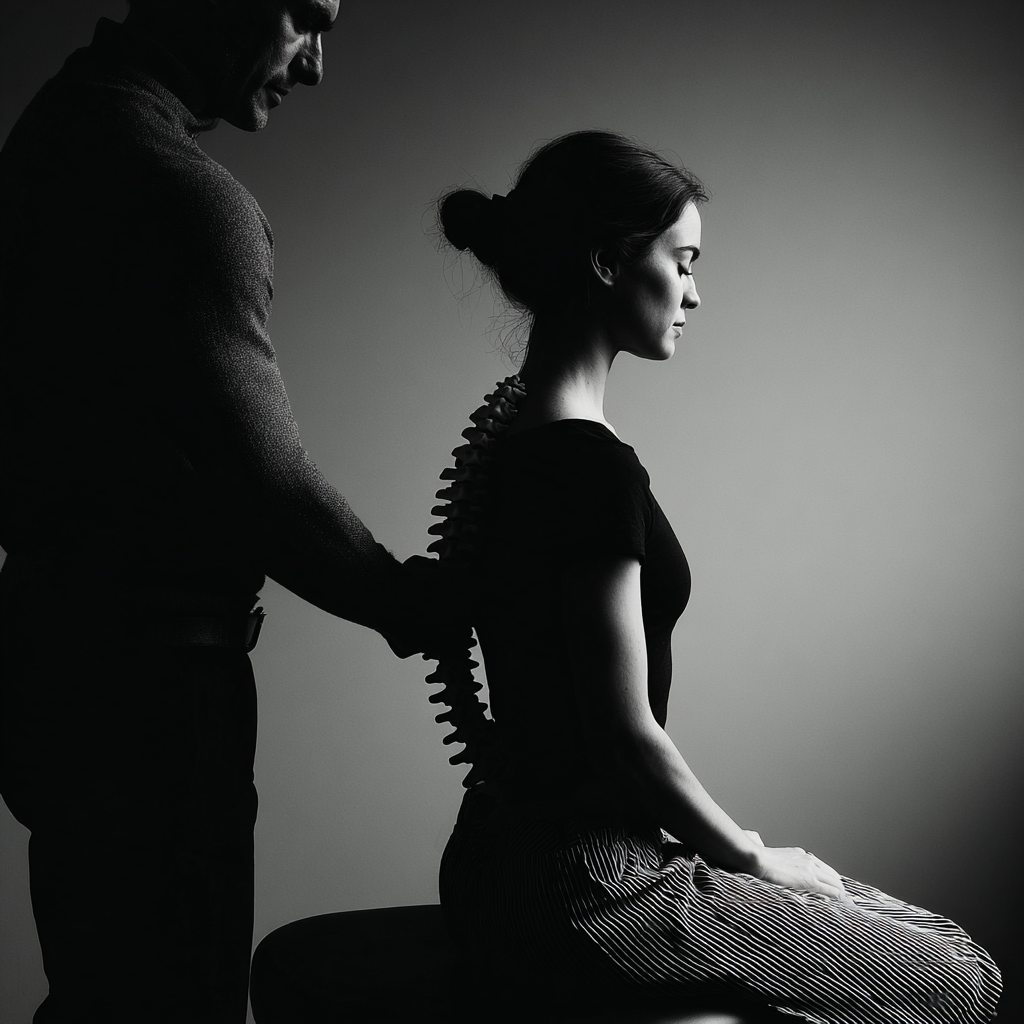
Based on your assessment findings, our chiropractors use precise, gentle adjustments to restore proper movement to the restricted spinal joints surrounding the affected disc. When joints move well, the mechanical load on the disc becomes more balanced, and the pressure on the irritated nerve can begin to reduce. Each adjustment is carefully tailored to your specific presentation.

How We Take Care Of You
Alongside spinal adjustments, we guide you through targeted exercises designed to strengthen the deep stabilising muscles that support your spine. This includes core activation, glute strengthening, and mobility work that helps take pressure off the disc over time. We also provide clear guidance on postures and movements to modify during your recovery.
How We Take Care Of You
We track your progress using objective measurements at key checkpoints, so you can see how your nervous system function and spinal mechanics are improving over time. Every step of your care plan is designed to educate and empower you, helping you move with confidence. The goal is to build a spine that's more resilient — not just one that's out of pain.
Start Your Recovery From Disc Pain
Book your consultation today and let ATLAS guide you through a personalized, non-surgical plan to relieve pain, improve mobility, and support long-term spinal health.

Conditions We Also Support
.webp)