
Time
Open Status
ATLAS Library

Common Conditions
New Clients
Book A Consult
.webp)
How Your Body Adapts to Stress
Walks through what happens in the nervous system under constant pressure, and how smart recovery, movement, and chiropractic care can keep you adaptable instead of burnt out.
Get Your NewsletterAbout The Guide
Stress isn't just something you feel — it's something your body physically adapts to. Over time, physical, chemical, and emotional stress can change how your nervous system functions, how your muscles hold tension, and how well your body recovers. Living in a fast-paced city like Hong Kong, most people carry more stress than they realise. This issue of ATLAS Quarterly explains the three main forms of stress, how your body responds to each one, and what you can do to support your nervous system before symptoms take hold. Inside you'll find:
Three Types of Stress
At ATLAS, stress is understood in three forms: physical, chemical, and emotional. Physical stress comes from posture, repetitive movements, and how you carry your body. Chemical stress includes what you eat, drink, and are exposed to. Emotional stress involves work pressure, relationships, and mental load. Your nervous system responds to all three in similar ways — through tension, altered breathing, and a shift toward a defensive state. This article explains how the ATLAS team reads these signs in your spine and helps guide your body back toward balance.
One of the simplest ways to support your nervous system before sleep is to swap screen time for a few minutes of reading. This section encourages a week-long bedtime reading challenge — starting with just five minutes a night. Reading helps calm your mind, signals to your body that it's time to wind down, and supports a healthier transition into rest. The ATLAS lending library offers books you can borrow from the studio, making it easy to build this small habit into your evening routine.
When stress accumulates, it can show up as tension patterns in the spine — areas where joints aren't moving well and nearby nerves may be affected. At ATLAS, these patterns are identified through assessment and addressed through structured adjustments. The goal isn't to eliminate stress entirely — some stress is healthy and helps you grow stronger. The goal is to support your body's ability to handle stress effectively, so it doesn't build up and start producing symptoms. Consistent care helps maintain that capacity over time.
Dr. Damian recommends Hybrid Gym as a personal training option for clients looking to complement their chiropractic care with structured physical exercise. Movement plays a direct role in how your body processes and recovers from stress. This section also highlights four post-adjustment habits that can account for up to 30% of the effectiveness of your care: standing evenly on both legs, sitting evenly on both hips, drinking water straight after your adjustment, and going for a short walk before sitting down.
Is This Newsletter Right
for You?
Who This Guide Is For
The Experts
Meet Your Chiropractors

Dr. Bryan Lo
Dr. Bryan Lo is a chiropractor trained at the University of Western States, USA. He received his Doctor of Chiropractic Degree there in 2020. Born in Singapore and lived in Canada before returning to his family's ancestral hometown.
He is deeply committed to holistic health and natural care methods. His mission is to serve as many people as possible, particularly in Hong Kong. During the pandemic, he participated in various healthcare missions worldwide, witnessing the challenges communities face in accessing healthcare. He has seen the devastating effects of chronic pain and substance dependency. Thus, he promotes chiropractic care as a first resort before taking irreversible or dependency-inducing steps.
In his free time, Dr. Bryan enjoys rock climbing. He is known for his positivity and genuine approach.
"Empowering individuals to take control of their health through natural methods is my mission. The ability to alleviate chronic pain and improve quality of life through chiropractic care is profoundly rewarding."
He is deeply committed to holistic health and natural care methods. His mission is to serve as many people as possible, particularly in Hong Kong. During the pandemic, he participated in various healthcare missions worldwide, witnessing the challenges communities face in accessing healthcare. He has seen the devastating effects of chronic pain and substance dependency. Thus, he promotes chiropractic care as a first resort before taking irreversible or dependency-inducing steps.
In his free time, Dr. Bryan enjoys rock climbing. He is known for his positivity and genuine approach.
"Empowering individuals to take control of their health through natural methods is my mission. The ability to alleviate chronic pain and improve quality of life through chiropractic care is profoundly rewarding."
Area Of Expertise
Blends US expertise with Eastern principles
Specializes in office worker preventive care
Language
English
Cantonese
Mandarin
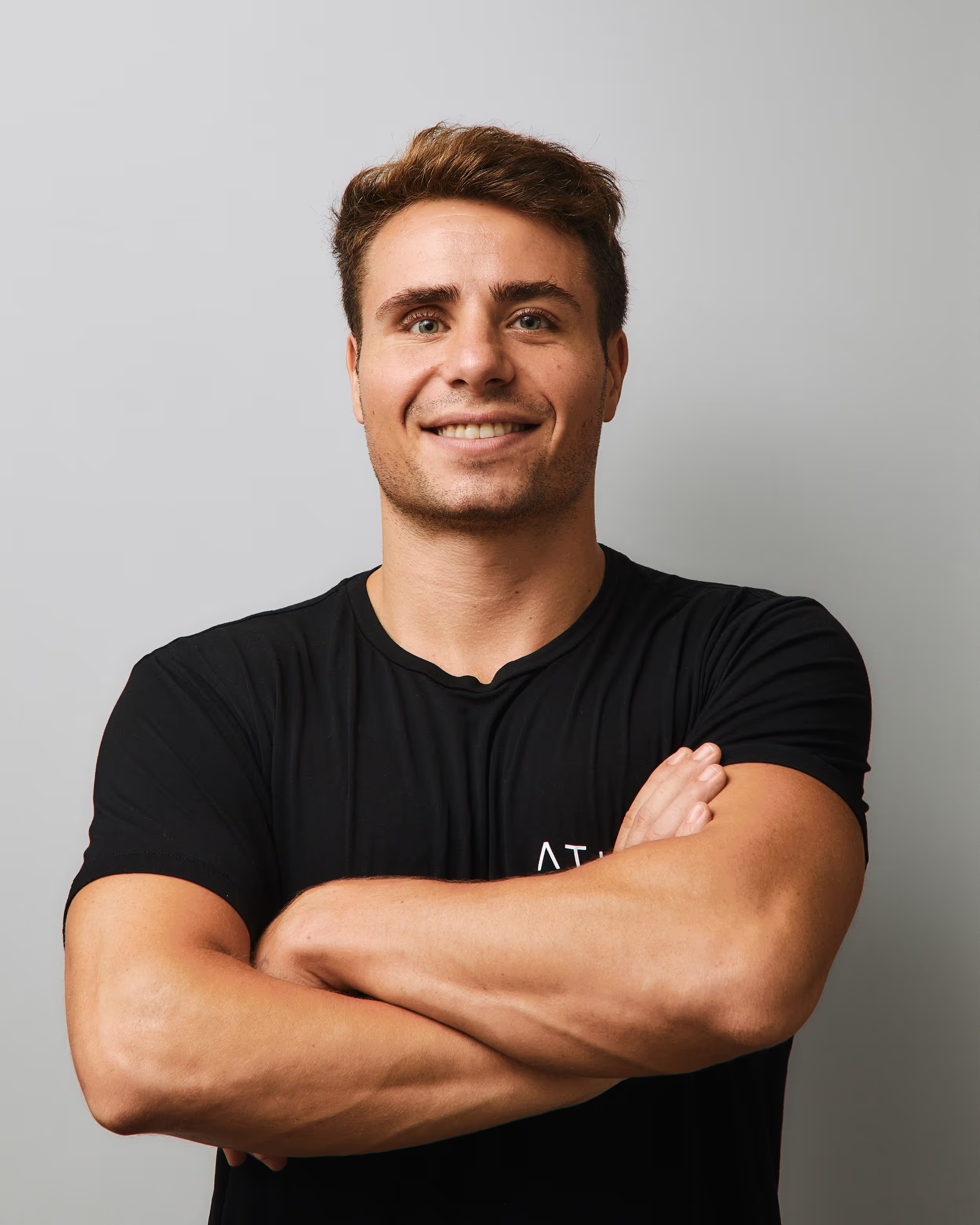
Dr. Damian Le Roux
With a passion for his profession that's as strong as when he first started, Dr Damian brings 12 years of experience to ATLAS.
He received his Masters Degree in Chiropractic at AECC (Anglo European Chiropractic College) in 2012. His expertise spans an array of care modalities, from diverse chiropractic techniques to specialised extremities dysfunctions. Away from ATLAS, Dr Damian is a dynamo on the rugby field, an enthusiastic advocate for holistic health, and a proud dad of two. He shares his love for healthy, daily routines with his wife, an osteopath. Originally from the UK, he now calls HK home and loves every minute of it.
Straightforward and direct, Dr Damian's approach to health is simple: it's a journey, not a destination. His mantra?
“Health is a journey and not a destination. To create the results you want in life, you need consistency, frequency and time”
He received his Masters Degree in Chiropractic at AECC (Anglo European Chiropractic College) in 2012. His expertise spans an array of care modalities, from diverse chiropractic techniques to specialised extremities dysfunctions. Away from ATLAS, Dr Damian is a dynamo on the rugby field, an enthusiastic advocate for holistic health, and a proud dad of two. He shares his love for healthy, daily routines with his wife, an osteopath. Originally from the UK, he now calls HK home and loves every minute of it.
Straightforward and direct, Dr Damian's approach to health is simple: it's a journey, not a destination. His mantra?
“Health is a journey and not a destination. To create the results you want in life, you need consistency, frequency and time”
Area Of Expertise
UK-trained Clinical Director (12+ years)
Family-focused evidence-based techniques
Resolves chronic pain & complex cases
Language
English
Frequently Asked Questions
Questions People Ask
About The Ebook
What is included in the guide?
.avif)
Each guide is written by our chiropractic team and includes clear explanations, helpful tips, and practical steps you can begin using right away. The goal is to help you better understand your symptoms and support your overall wellbeing.
How do I use the guide?
You can read it at your own pace and follow the steps whenever you feel comfortable. Many people start by applying the simple daily habits and movements recommended inside.
Is the information suitable for everyone?
The content is designed for general education and is suitable for most people. If you have severe symptoms or a complex health condition, we recommend seeking personalised advice.
Will the guide replace a consultation?
No — the guide is meant to help you understand your body and support healthy habits. A consultation allows our chiropractors to assess your specific needs in detail.
Can I share the guide with someone else?
Absolutely. If you know someone who may benefit, feel free to share the link so they can access the guide themselves.
Help Your Body Handle Stress Better
Stress is unavoidable, but how your body copes with it doesn't have to be left to chance. Download the guide to learn more, or reach out to the ATLAS team to explore how a structured assessment could help identify where stress is building in your spine and nervous system.
Oops! Something went wrong while submitting the form.


x
Get The
How Your Body Adapts to Stress
Guide
Start understanding your spine and take the first step toward lasting relief.