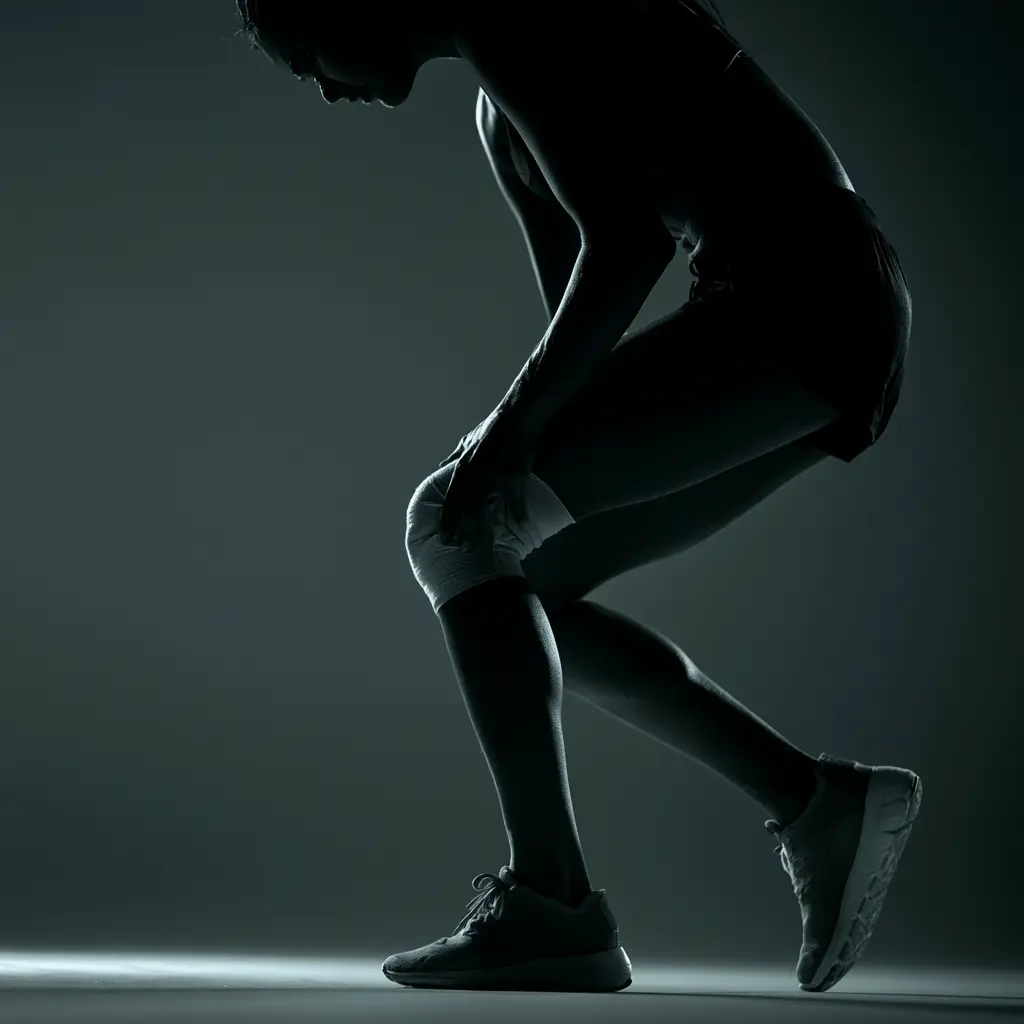
Lower Back Pain Relief: Giving Your Back the Freedom It Has Been Missing

Lower Back Pain Relief can feel frustratingly temporary. Your back settles over the weekend, you think you are finally past it, then Monday arrives and a few hours at your desk brings the same ache straight back.
That pattern matters. Short walks, comfortable positions, and reducing whatever clearly worsens your back can help during a flare. Longer-lasting relief often means looking at how you sit, bend, lift, exercise and move through a normal day.
Lower back pain is extremely common. The World Health Organization estimates that 619 million people experienced it in 2020, making it the leading cause of disability worldwide.
The good news is that back pain does not automatically mean something serious has gone wrong. In fact, WHO estimates that around 90% of low back pain is non-specific, meaning no single disease or structural problem explains the discomfort. That is one reason finding the right approach takes more than searching for the perfect stretch.
What Actually Provides Lower Back Pain Relief?
When your back hurts, you probably want one thing first: something that makes it feel better now. That makes sense, especially when sitting through a meeting, getting out of bed or picking something off the floor suddenly feels like a negotiation.
Immediate relief and longer-term improvement can require different things. What calms a flare today may not change the pattern that brings the discomfort back tomorrow.
Lower Back Pain Relief Starts by Reducing Irritation
During a flare, start by moving feel more manageable. That may mean lying in a comfortable position with your knees supported, taking a short walk, or temporarily reducing the specific activity that clearly increases your discomfort.
The aim is not to freeze your back until the pain disappears. It is to reduce the demands that are bothering it while keeping as much comfortable movement as you can. When the area is irritated, the muscles around the lower back and pelvis may tighten protectively, which can make ordinary movement feel more threatening than usual. Lower-demand positions and gentle movement can help that guarding settle enough for the back to move more comfortably again.
That distinction matters because prolonged bed rest generally does not help uncomplicated lower back pain. Current NICE guidance encourages people with low back pain to continue normal activities where possible and recommends tailoring self-management to individual needs and abilities.
At ATLAS, we often see clients who have spent several days trying to protect their back by barely moving. By the time they return to their usual routine, everything feels stiff and guarded. A better first step is usually relative rest: modify what hurts, keep gently moving and give the back a chance to settle without turning the sofa into a full-time treatment plan.
Why Temporary Pain Relief Is Not the Same as Recovery
Heat, massage, or pain medication may help you feel more comfortable. That can be useful, especially when discomfort is making sleep or movement difficult.
The problem comes when temporary relief is mistaken for fixing whatever keeps bringing the pain back. If a massage feels good on Sunday but your back hurts again after four hours at your desk on Monday, the same daily trigger is still there.
Longer-term improvement often means changing how the lower back, pelvis and hips deal with everyday demands. Exercise, better movement habits and, where clinically appropriate after assessment, manual care or adjustments may all form part of that process. The practical goal is to help your back handle sitting, bending, lifting, work and training again without the same problem returning.
Lower Back Pain Relief Depends on How Your Pain Behaves
Two people can point to almost the same area of the lower back and need completely different advice. That is why copying somebody else's stretch routine can sometimes leave you wondering why their miracle move made your back feel worse.
What increases or decreases your discomfort gives useful information. Those patterns can help guide what to avoid temporarily, what to keep doing, and when assessment may be useful.
Bending, Sitting and Arching Can Affect Different Backs Differently
Pay attention to patterns. Does sitting for twenty minutes make the ache build? Does standing make it easier? Does bending forward calm the pain while arching backward makes it sharper, or does the opposite happen?
Those responses matter because lower back pain is not one uniform problem. A movement that feels relieving for one person may make another person's discomfort worse.
This does not mean you should diagnose yourself based on one movement. If one direction repeatedly eases the pain while another consistently sends it farther into the buttock or leg, that pattern is worth noting rather than forcing both movements equally.
The Best Lower Back Pain Relief Is Not the Same for Everyone
Lower back pain can present as a local ache, stiffness, muscular soreness or discomfort that travels into the buttock or leg. Some people feel better once they start moving. Others notice that a particular direction consistently makes things worse.
ATLAS does not start with a standard sheet of exercises for every client. We look at how your pain behaves, how you move, and what your usual day involves before deciding what belongs in your plan.
Your Work and Training Habits Change the Plan
Consider two people with lower back pain. One works in Central and spends ten hours moving between a desk, meetings and transport. The other felt a sharp increase in pain during a heavy deadlift session.
Giving both of them the same stretching programme would ignore the activities that their backs actually need to handle. The office worker may need more frequent movement, changes in sitting habits and better ways to interrupt long static periods. The lifter may need temporary load changes, a review of lifting mechanics and a gradual return to training.
Useful advice has to fit the life you actually live.
Lower Back Pain Exercises: What Should You Actually Do?
Typing Lower Back Pain Exercises into Google gives you enough stretches to fill an entire gym session. The harder question is whether those exercises are right for your back today.
Exercise matters, especially for persistent lower back pain, but more is not automatically better. The better starting point is movement your back can tolerate without leaving you significantly worse.
Start With Movement Your Back Tolerates Well
Start with movements that do not cause a meaningful increase in discomfort. Instead of asking whether an exercise is officially a good back exercise, pay attention to what happens during and after it.
If the pain stays around the lower back rather than travelling farther into the buttock or leg, that is one useful sign. It also helps if movement feels easier afterward, any discomfort settles relatively quickly and your range of motion does not become more restricted.
You do not necessarily need every movement to feel completely pain-free. The important question is whether the exercise leaves you moving better or leaves you more guarded for the rest of the day.
A Cochrane review of 249 randomised controlled trials involving 24,486 participants found moderate-certainty evidence that exercise reduces pain and functional limitations in chronic lower back pain compared with no treatment, usual care or placebo.
WHO's evidence review also notes that there is not enough evidence to say one exercise type is best for everyone.
When Lower Back Pain Relief Exercises Can Make Things Worse
A stretch can look harmless on a phone screen and still be a poor choice for your back today. Aggressive toe touching, heavy twisting, forcing yourself farther into a painful range, continuing hard gym work while discomfort worsens, and copying generic social-media routines can all be poor choices when they leave your back feeling worse.
If an exercise causes pain to travel farther down the leg, significantly restricts your movement afterward, or leaves you noticeably worse, that response deserves attention. Exercise should build your ability to move. It should not become another test of how much discomfort you can tolerate.
Build Strength Gradually
A stronger trunk and hips can be useful, especially when returning to work, lifting or training. However, trying to solve every sore back with harder core exercises skips an important step.
First, get the back moving comfortably enough to tolerate load. Then build from there. That might mean starting with simple movements and controlled resistance before gradually increasing range, weight, or complexity.
Progress can happen in small steps. You might begin by increasing repetitions, then use a slightly larger range of motion, add light resistance, and eventually return to more demanding lifts or activities. The next step should feel manageable, not like a test of whether your back can survive a sudden jump in load.
The goal is to prepare your body for normal life rather than win a plank competition while your back is still angry.
Daily Habits That Can Ease Lower Back Pain
A twenty-minute exercise session only occupies a small part of your day. What happens during the other waking hours can have just as much influence on how your back feels.
Small changes are often more realistic than trying to maintain one perfect posture from breakfast until bedtime.
Break Up Long Periods of Sitting
If your work keeps you at a desk, try changing position every 30 to 40 minutes. Stand up, walk briefly, or simply give your back another position to work from. A simple lumbar support may also make sitting more comfortable for some people.
You do not need to sit rigidly upright all day. The more useful goal is avoiding hours in one position, especially when that position is already making the discomfort worse.
Use Your Hips When You Bend and Lift
During a painful flare, repeatedly rounding into the exact movement that hurts may keep the area irritated. A hip hinge can help you share the work with your hips and legs.
Move your hips backward as you bend while keeping the object close to you, then use your legs and hips as you stand. Before lifting, a gentle abdominal brace can also help you feel more controlled. Think of lightly preparing your midsection for the load rather than holding your breath and locking everything rigidly.
This does not mean spinal rounding is inherently dangerous. Your back is designed to move. The point is to modify the movement that is currently uncomfortable and rebuild it as the discomfort settles.
Find a Comfortable Position for Rest and Sleep
There is no single sleeping position that every sore back must use. If lying flat feels uncomfortable, supporting your knees with a pillow may help. Side sleepers may prefer a pillow between the knees.
Choose the position that lets your body relax and sleep. Comfortable rest matters, especially when poor sleep leaves you more fatigued and sensitive the next day.
Why Lower Back Pain Relief Sometimes Lasts Only Until Monday
You can do everything right over the weekend and still feel your back tighten again by Monday afternoon. When that happens repeatedly, it is worth asking what changed when normal life resumed.
Often, the answer is the amount and type of demand your back is handling across the day.
The Daily Load May Not Have Changed
Back pain does not always begin with one dramatic bend or lift. Sometimes the build-up is quieter. Long periods of sitting, repeated bending, frequent lifting, demanding training sessions, too few movement breaks, or a sudden jump in workload can all add up across a day or week.
Returning to full activity too quickly after a flare can do the same thing. Each task may feel manageable, but the total volume matters. Ten bends may be fine while fifty repeated across a workday is too much for a back that is still recovering, just as one comfortable hour of sitting may be manageable while six uninterrupted hours is not.
That is why relief that disappears every time normal work resumes deserves more attention than simply finding another way to calm the sore area.
A Three-Day Flare and a Three-Month Problem Need Different Thinking
A recent flare often comes with protective muscle guarding. Your body becomes cautious around movements it currently considers uncomfortable.
With longer-lasting pain, people may start avoiding ordinary movements, bracing before every bend or losing confidence in activities they previously handled without thinking. Persistent pain does not automatically mean the tissues are still being damaged every time the area hurts. WHO's guidance on chronic low back pain reflects this broader approach by supporting continued activity and gradual return to meaningful daily tasks.
A recent flare may need temporary modification of whatever is making it worse, while a longer-running problem often needs a gradual return to movement, strength, and everyday activity.
WHO also projects that the number of people living with low back pain could rise to 843 million by 2050, which makes practical long-term management increasingly important.
When Should You Get Your Lower Back Assessed?
Most people do not want to book an assessment for every small ache. At the same time, repeatedly self-managing the same problem for months can leave you stuck in a cycle of flare, rest, relief, and flare again.
The duration matters, but so does what the pain is doing.
Pain That Keeps Returning Deserves a Closer Look
Consider an assessment if your lower back pain lasts longer than a week or two without improving, repeatedly returns, begins travelling into the buttock or leg, changes how you walk, regularly disrupts sleep, or forces you to modify work or training.
Recurring pain changes the question. Instead of asking how to get through another flare, it becomes useful to understand why the pattern keeps returning.
Leg Symptoms Need More Attention
Pain that travels into the buttock or leg can occur with irritation involving nerves around the lower back. That does not automatically mean something serious is happening, and pain alone cannot tell you exactly which structure is involved.
However, new or worsening numbness, weakness, or changes in how your leg functions should be assessed rather than treated as ordinary muscle soreness.
Know the Lower Back Pain Red Flags
Some symptoms need urgent medical attention rather than another stretch or home exercise. Seek urgent medical care if lower back pain is accompanied by:
- progressive weakness in one or both legs
- numbness around the saddle or groin area
- new loss or significant change in bladder or bowel control
These can indicate serious neurological compression and should not be managed at home while waiting to see whether they improve.
How ATLAS Approaches Lower Back Pain Relief
When the same lower back problem keeps returning, it can start to affect more than comfort. You may lose training sessions, sleep, productive hours, and confidence in movements that used to feel ordinary.
At ATLAS, we assess; we don't guess. We look at how your back responds to movement, what your workday or training routine involves, and how the discomfort changes over time.
We Assess How Your Back Responds to Movement
We look at which movements aggravate your pain, which make it easier, and what happens when you perform the tasks you regularly need to do.
Your job, training routine, and pain history help us decide what your back currently needs instead of giving every client the same lower back pain exercises.
We Look Beyond the Sore Spot
Where you feel pain is important, but it is only part of the picture. We also consider how your lower back, pelvis and hips move together and how you use your body during everyday tasks.
Depending on your assessment, care may include appropriate adjustments, movement advice, exercises and changes to habits that are keeping the area irritated.
We Track What Changes Over Time
A lower pain score is useful, but we also want to know whether sitting, walking, sleeping, bending, lifting, and getting back to your usual routine are becoming easier.
Reassessment shows whether your function is improving and whether the plan needs to change.
What Is the Fastest Way to Relieve Lower Back Pain?
For many uncomplicated flare-ups, short-term relief can come from finding a comfortable position, taking gentle walks, and temporarily modifying whichever movement clearly makes the pain worse.
Heat or other symptom-relief measures may also help some people feel more comfortable. If the pain is worsening, spreading into the leg or repeatedly returning, assessment becomes more useful than cycling through more home remedies.
Should You Rest or Walk With Lower Back Pain?
For uncomplicated lower back pain, prolonged bed rest is generally discouraged. NICE recommends supporting people to continue normal activities where possible, while adjusting activity to their individual needs.
Short, comfortable walks are often a practical way to keep moving. If the pain clearly worsens, reduce the distance or pace rather than forcing yourself through it. The aim is to stay gently active without making the back feel worse afterward.
How Long Should Lower Back Pain Last Before You Get Help?
There is no single deadline that applies to every back problem. What matters is whether the pain is improving and whether it is changing how you function.
Consider professional assessment when pain has continued beyond a week or two without improvement, keeps returning, spreads into the buttock or leg, or starts affecting sleep, walking, work or exercise. Seek urgent medical care sooner if you develop progressive leg weakness, saddle numbness or bladder or bowel changes.
Sources
- World Health Organization — Low back pain — https://www.who.int/news-room/fact-sheets/detail/low-back-pain
- NICE — Low back pain and sciatica in over 16s: assessment and management — https://www.nice.org.uk/guidance/NG59/chapter/recommendations
- Cochrane — Exercise therapy for chronic low back pain — https://pmc.ncbi.nlm.nih.gov/articles/PMC10684665/
- World Health Organization — WHO guideline for non-surgical management of chronic primary low back pain — https://www.ncbi.nlm.nih.gov/books/NBK599213/
Final Thoughts
Lower Back Pain Relief should help you do more than get through the next few comfortable hours. If your back keeps flaring, the more useful question is what keeps bringing it back.
Understanding how your workday, sitting habits, lifting and training affect your back can help guide what needs to change as you recover. At ATLAS, we assess, measure, and follow up so your care is based on what your body is actually doing. If the same pain keeps returning, you can book an assessment at ATLAS Central, Hong Kong.