Meniscus Injury: What It Is, Symptoms, and Recovery

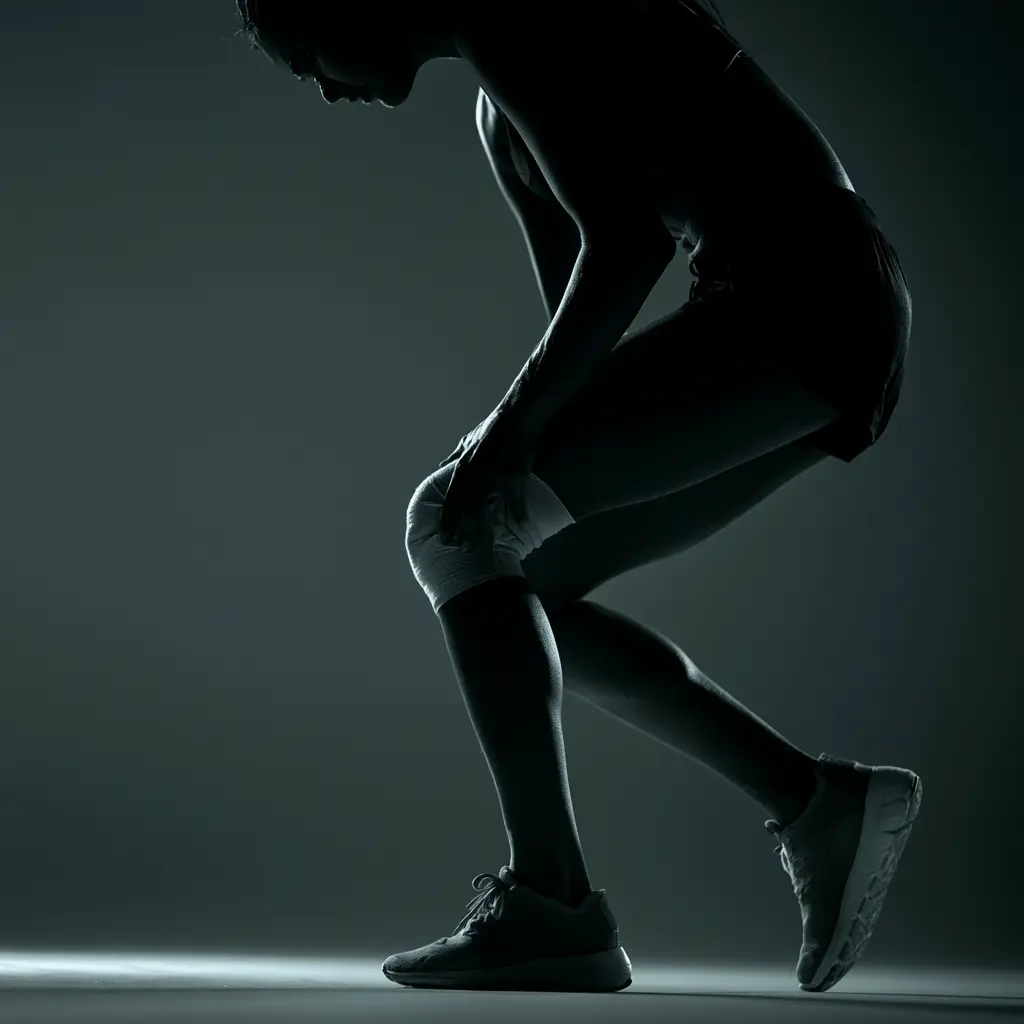
You twist your knee during a game or a heavy set at the gym — and at first, it doesn’t seem like much. But a few hours later, the swelling starts. By the next morning, your knee feels stiff, unstable, and unpredictable, especially when you turn, step off a curb, or walk down stairs. This is often how a meniscus injury begins, and it rarely feels as straightforward as it sounds.
What catches most people off guard is not just the pain, but how unreliable the knee suddenly feels. One moment it’s fine, the next it feels like it might give way. Most explanations focus on the tear itself — what it is, how it looks on a scan, and whether it needs surgery. But they miss what actually matters: why your knee doesn’t feel the same anymore, and why recovery can take longer than expected.
A tear sounds like a simple structural problem. In reality, it changes how your knee handles force with every step, turn, or training session. Once that changes, even normal movements like stepping out of a car or pivoting to change direction can start to feel unfamiliar.
What Is a Meniscus Injury and Why Does It Happen?
The meniscus is a C-shaped cartilage that sits between your thighbone and shinbone. Its job is to absorb shock and spread force when your foot hits the ground, especially during activities like walking downhill, descending stairs, or landing from a jump. It also helps guide the knee’s movement when you bend or rotate.
When the knee is exposed to both weight and rotation at the same time, the meniscus becomes more vulnerable. This combination shows up often in real life: cutting sideways during basketball, changing direction during football, or twisting slightly at the bottom of a squat. Common situations include sudden pivoting, landing from a jump, or twisting while your foot is planted. Even slower, repetitive stress from training can lead to irritation over time.
How a Meniscus Injury Changes Knee Function
Once the meniscus is affected, force is no longer shared evenly across the knee. Certain areas begin to take on more stress than they should, particularly during movements that involve bending and turning.
This is why simple actions like getting out of a chair, stepping down stairs after leg day, or turning to grab something can suddenly feel uncomfortable. The knee is still working, but not as smoothly as before. Even a small tear can change how the knee behaves under pressure. For clients dealing with knee pain, understanding the meniscus role is often the first step toward clarity.
The most frustrating part is not always the pain. It is the sense that your knee cannot be trusted, especially during movement that used to feel automatic.
Meniscus Injury Symptoms and What They Actually Mean
Symptoms do not always appear immediately. In many cases, swelling and stiffness develop hours after the initial movement, which makes the injury harder to interpret. You may notice pain along the inside or outside of the knee, swelling that increases over time, stiffness after sitting or resting, difficulty bending or straightening fully, and discomfort when using stairs, squatting, or turning.
Scan Results vs What You Actually Feel
Many people reach a point where they wonder whether they need a scan at all. That question usually comes up when symptoms do not match expectations.
A well-known study published in the New England Journal of Medicine found that meniscal damage on MRI was common even in people without knee pain. In that study, 35% of adults had meniscal changes, and many of those individuals had no symptoms at all. This matters because a scan may show a tear that is not causing your symptoms, or it may not explain why the knee feels unstable. What you feel is shaped by irritation, movement, and how sensitive the area has become. That is why two people with similar MRI results can have completely different experiences.
That Unstable or “Giving Way” Feeling Explained
The feeling of instability is often driven by how your body responds after the injury. Muscles around the knee begin to tighten earlier than usual, especially during movements like stepping down or changing direction. This alters timing and coordination. At the same time, your sense of where the knee is in space can feel less reliable. This is why quick turns, uneven ground, or sudden stops can feel unpredictable. The knee is not necessarily failing. Very often, it is being protected.

After noticing these symptoms, the next question is usually how to confirm what is actually going on.
What Actually Happens During a Knee Assessment
During an evaluation, clinicians look for patterns that consistently trigger discomfort or hesitation. This involves observing how your knee behaves in real situations rather than relying on static images alone. They may assess how much your knee bends during walking, whether you shift weight away from the affected side, how stable you feel during single-leg balance, and how well you control movement when lowering or turning. For example, someone might avoid bending the knee fully when stepping downstairs, or hesitate slightly before loading one leg. These small details often explain more than imaging alone.
Why Assessment Goes Beyond Imaging
Imaging is useful for identifying structure, but it does not explain behaviour. It cannot show how your knee responds to movement, load, or fatigue. Assessment fills that gap by showing how the knee behaves under real demand. It helps identify whether the joint is being overloaded, protected, or avoided, which is what actually guides the next step.
At this point, it helps to understand how the problem started in the first place, especially if it did not feel like a major injury at the time.
What Causes a Meniscus Injury and Who Is at Risk
Acute injuries typically occur during sports or fast direction changes, especially when the foot is planted and the body rotates. However, repetitive loading and long-term wear can also lead to irritation, particularly in people who train frequently or have a history of knee issues. Athletes, gym-goers, and individuals with previous knee problems are at higher risk, especially when control during movement is reduced.
Common Movement Habits That Increase Stress on the Knee
Certain patterns increase strain without being obvious. Knees collapsing inward during squats, limited hip control during rotation, and reduced ankle mobility all shift stress toward the knee. Over time, these habits increase pressure on the joint and make irritation more likely, especially under fatigue or high intensity. This is part of why one awkward turn is sometimes only the final event, not the whole story.
Once the symptoms settle slightly, most people expect steady improvement. In reality, recovery tends to move in waves rather than in a straight line.
Meniscus Injury Recovery Timeline and What Affects It
Healing time depends on the location and severity of the injury, as well as how the knee is used during recovery. Tears closer to areas with better blood supply generally have a better chance of settling compared to those in areas with limited circulation. Daily activity, swelling levels, and repeated irritation all influence how quickly the knee settles. Adjusting how the knee is used day to day plays a major role in recovery speed.
Research published in the British Medical Journal found that structured exercise therapy can be as effective as arthroscopic surgery for many clients with meniscal tears when there is no mechanical locking.
Why Progress Can Feel Inconsistent
It is common to feel improvement, then experience a flare-up after activity. This usually happens when the knee is exposed to more demand than it can currently handle. At the same time, avoiding movement completely can reduce strength and confidence. The knee becomes less prepared for everyday tasks. Recovery is about gradually increasing what the knee can tolerate without triggering symptoms.
At this stage, the focus shifts from waiting for it to heal to actively helping the knee function better.
What Care Is Really Trying to Fix
Care focuses on specific goals rather than vague healing. This includes calming irritation so the knee can move more freely, restoring comfortable bending and straightening, rebuilding strength in muscles that support the knee, and improving coordination during everyday movements. This includes gradually reintroducing movements like squatting, stepping down, and turning under control. The aim is to make these feel steady again, not just possible.
Additional research from the Journal of Orthopaedic and Sports Physical Therapy shows that rehabilitation focused on strength and neuromuscular control improves knee function and reduces symptoms in individuals with meniscal injuries.
When Surgery Becomes Part of the Plan
Surgery is typically considered when the knee locks, fails to improve with rehabilitation, or has a tear that significantly affects function. Even then, recovery still depends on rebuilding movement quality. Surgery addresses the structure, but not how the knee is used afterward.
When the Same Knee Issue Keeps Returning
Recurring issues often happen when the knee is asked to do more than it is ready for, even if the pain has reduced. Other joints may also take over certain movements, which shifts stress back to the knee over time. Without correcting these patterns, the same irritation can return, especially during more demanding movements like running, pivoting, or heavy lifting.
How ATLAS Approaches Meniscus Injury Recovery
At ATLAS, assessment guides every step. The goal is to understand how your knee behaves during movement and where the process is getting interrupted. This includes observing how you walk, squat, and shift weight, identifying where the knee is being overloaded or protected, tracking how movement improves over time, and adjusting care based on real changes rather than assumptions. For example, if your knee stiffens during descent or shifts load to the opposite side, that becomes the focus, not just the scan result.
Can You Walk, Train, or Play Sports With a Meniscus Injury?
In many cases, activity can continue with adjustments. The key is to reduce unnecessary strain while maintaining movement. Low-impact exercises, controlled strength work, and gradual progression help rebuild capacity. Over time, this allows the knee to handle more demanding tasks again without triggering symptoms.
Signs You Should Not Ignore
Persistent swelling, locking, or difficulty moving the knee should not be ignored. Repeated instability or lack of improvement despite rest are also signs that the issue needs attention. If symptoms include loss of bladder or bowel control, sudden severe weakness, or significant trauma, seek urgent medical assessment immediately.
Final Thoughts
A meniscus injury is not just about damaged cartilage. It reflects how your knee is handling movement, stability, and everyday demands as a system. That is why symptoms can persist even when the structural issue seems minor.
If your knee still feels unstable, stiff, or unreliable, the next step is not guesswork. At ATLAS, every recommendation is based on detailed assessment and ongoing measurement, so your recovery is guided by how your body actually responds. If you want clarity on what is happening in your knee and a structured plan to move forward, book an assessment at ATLAS and take the first step toward a more stable and confident recovery.